


Packaging design and brand identity are the first touchpoints between a consumer and a product. Historically, creating these assets required weeks of back and forth between designers and photographers. Even with the advent of early AI tools, designers faced a significant hurdle: the inability to render legible text and realistic materials.
Most generative models would produce “alphabet soup” instead of brand names. This forced professionals to spend hours in post-production fixing distorted labels and warped logos. The industry needed a tool that understood both the art of aesthetics and the science of typography.
This is why GPT Image 2 has become a transformative force for creative agencies. It solves the core problem of text rendering while providing the high-resolution output required for physical printing. By integrating this technology, brands can now move from a concept to a high-fidelity prototype in minutes.
The Evolution of Professional AI Design
The landscape of brand design is shifting toward a more agile model. Professional studio platforms like Higgsfield are leading this change by unifying top-tier AI models into a single workflow. Instead of jumping between disconnected tools, creators can access a suite of specialized engines tailored for specific design needs.
Within the Higgsfield environment, models like Seedream offer high levels of creativity for abstract concepts. Meanwhile, Higgsfield Soul focuses on professional aesthetics and realistic lighting. This multi-model approach ensures that a design is not just a pretty picture but a functional blueprint for a real-world product.
1. Pixel-Perfect Multilingual Text
The most significant benefit of GPT Image 2 is its ability to render perfect text. In the past, AI would hallucinate characters or create nonsensical symbols. Now, designers can specify brand names, taglines, and nutritional facts with total confidence.
This capability extends to multiple languages. Whether you are designing for a local market or a global audience, the model maintains typographical integrity. This eliminates the need for manual text overlays in external software, saving hours of production time.
2. Photorealistic Material Textures
Packaging design relies heavily on how light interacts with surfaces. Whether it is the matte finish of a luxury cosmetic box or the metallic sheen of a soda can, texture matters. GPT Image 2 excels at simulating complex materials like glass, cardboard, and embossed foil.
Research shows that high-quality visual presentation directly impacts consumer trust. According to a study by The Dieline, generative AI is fundamentally changing the speed at which these realistic textures can be tested. By seeing a 4K representation of a material before printing, brands can avoid costly sampling errors.
3. Rapid Prototyping and Iteration
In a traditional workflow, changing the color scheme of a package might take a full day of re-rendering. With the tools available on Higgsfield, these iterations happen in real time. Designers can test fifty different color palettes in the time it used to take to finish one.
This speed allows for a “fail fast” mentality. Creative teams can explore bold, unconventional ideas without wasting significant resources. If a concept does not work, they simply adjust the prompt and try again.
4. Commercial-Grade 4K Output
Low resolution is the enemy of professional design. Most AI generators produce small files that look blurry when enlarged for physical packaging. GPT Image 2 provides 4K output that is sharp enough for commercial use.
This high fidelity ensures that fine details remain crisp. Small icons, barcodes, and fine print are rendered with enough clarity to be used in marketing presentations. It bridges the gap between a “digital sketch” and a “final asset.”
5. Seamless Brand Consistency
Consistency is the cornerstone of brand identity. If a logo looks different on a bottle than it does on a box, the brand equity suffers. GPT Image 2 allows for character and style consistency across different product shots.
By using consistent style references, designers ensure that every piece of collateral feels like it belongs to the same family. This is particularly useful for brands with large SKU counts. You can generate an entire product line that shares the same lighting, mood, and aesthetic.
6. Digital Product Photography
Setting up a physical photoshoot is expensive. You have to hire a photographer, rent a studio, and manage shipping for physical prototypes. GPT Image 2 can act as a virtual photography studio.
You can place your product in any environment imaginable. Want your beverage bottle on a sun-drenched beach or a minimalist marble countertop? The AI handles the shadows, reflections, and environmental blending automatically.
7. Cost-Effective Market Testing
Before launching a product, brands often need to test different designs with focus groups. Creating physical prototypes for every variation is a massive investment. GPT Image 2 enables the creation of high-quality mockups for digital A/B testing.
Marketing teams can run social media ads with different packaging versions to see which one gets more engagement. This data-driven approach to design reduces the risk of a product launch failure. It allows brands to know what the consumer wants before a single box is manufactured.
8. Specialized Professional Workflows
Platform integration is what separates hobbyist tools from professional ones. Higgsfield provides a specialized workflow that guides the user from image generation to video conversion. This is vital for modern marketing campaigns that require both static and motion assets.
The ability to take a static packaging design and animate it for a commercial is a game-changer. It creates a unified pipeline where the visual DNA of the product is preserved across all formats. This level of technical synergy is why professional studios are migrating to integrated platforms.
9. Creative Freedom and Mood-boarding
Sometimes the hardest part of design is the “blank page” problem. GPT Image 2 serves as a powerful brainstorming partner. It can take a vague description and turn it into a vivid visual concept.
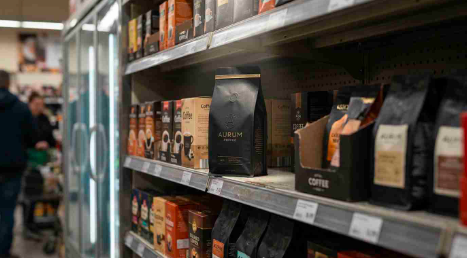
Designers can use the tool to create elaborate mood boards. They can experiment with different art styles, from Art Deco to futuristic minimalism. This expands the creative horizon and allows for more innovative packaging solutions that stand out on the shelf.
10. Global Scaling for Marketing Campaigns
Modern brands need to produce a staggering amount of content. Between Instagram, TikTok, and retail displays, the demand for high-quality visuals is constant. GPT Image 2 allows small teams to produce the output of a large agency.
By automating the heavy lifting of image creation, designers can focus on the high-level strategy. They can scale their creative output to meet the demands of global marketing cycles. This efficiency is no longer a luxury: it is a necessity for staying competitive.
Mastering the New Design Landscape
The integration of advanced AI models into the creative process is not about replacing designers. It is about giving them better brushes. Tools like GPT Image 2 remove the technical barriers that used to slow down the creative process.
When you use a professional environment like Higgsfield, you gain more than just a generator. You gain a suite of tools designed for the nuances of commercial art. From lighting control to typographic precision, the technology is now ready for the demands of the real world.
The future of packaging design is fast, precise, and infinitely creative. By embracing these AI advancements, brands can ensure their products look as good on the shelf as they do in their imagination. The journey from a simple prompt to a 4K commercial asset has never been shorter.