


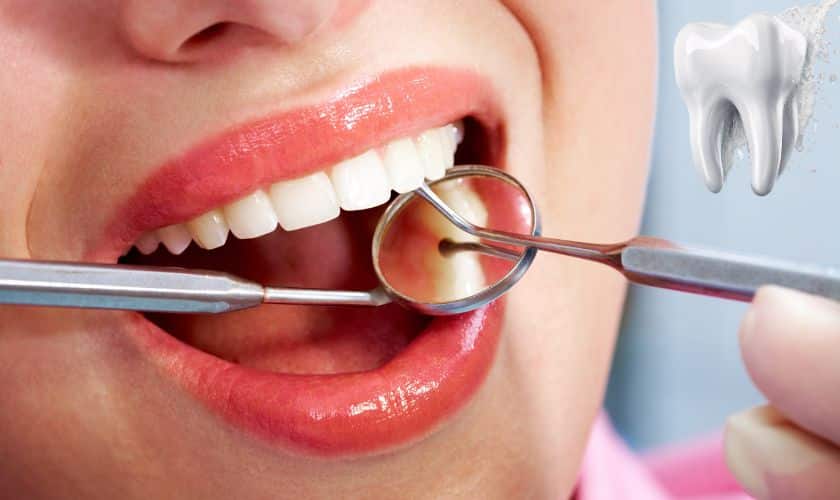
Laser dentistry is a modern dental technique that uses focused light energy to perform a wide range of dental procedures. It has transformed traditional dental care by offering more precise, comfortable, and minimally invasive treatments. Today, laser dentistry is widely used for both soft tissue and hard tissue procedures, improving patient experience and treatment outcomes.
What Is Laser Dentistry?
Laser dentistry involves the use of specialized dental lasers to treat various oral health conditions. These lasers emit concentrated beams of light that can cut, shape, or remove tissue with high accuracy.
Dental lasers are designed to target specific areas without affecting surrounding healthy tissue, making treatments safer and more efficient.
Types of Dental Lasers
Laser dentistry uses different types of lasers depending on the treatment.
Soft Tissue Lasers
Soft tissue lasers are used to treat gums and other soft tissues in the mouth.
Common Uses
- Gum reshaping
- Treating gum disease
- Removing excess gum tissue
- Treating cold sores
Hard Tissue Lasers
Hard tissue lasers are used on teeth and bone.
Common Uses
- Removing tooth decay
- Preparing teeth for fillings
- Treating tooth sensitivity
- Detecting early cavities
Benefits of Laser Dentistry
Laser dentistry offers several advantages over traditional dental methods.
Reduced Pain and Discomfort
Laser treatments often cause less pain than traditional tools. In many cases, anesthesia may not be required, making procedures more comfortable for patients.
Minimal Bleeding and Swelling
Lasers seal blood vessels as they work, which reduces bleeding and swelling during and after treatment. This is especially beneficial for gum-related procedures.
Faster Healing and Recovery
Because laser dentistry is minimally invasive, tissues heal faster and recovery time is shorter compared to traditional surgical methods.
High Precision
Lasers allow dentists to target only the affected area, preserving healthy tooth and gum tissue. This precision improves treatment accuracy and outcomes.
Reduced Risk of Infection
Laser energy sterilizes the treatment area, lowering the risk of bacterial infection during dental procedures.
Common Uses of Laser Dentistry
Laser dentistry is used in a wide range of dental treatments.
Treatment of Gum Disease
Lasers are highly effective in removing infected gum tissue and bacteria from periodontal pockets. This helps reduce inflammation and promotes gum healing.
Cavity Detection and Removal
Dental lasers can detect cavities in their early stages and remove decay with minimal damage to healthy tooth structure.
Gum Contouring and Reshaping
Laser gum contouring improves the appearance of uneven or excessive gum tissue. This cosmetic procedure enhances smile aesthetics with minimal discomfort.
Teeth Whitening
Some laser systems are used to activate whitening agents, speeding up the teeth whitening process and producing quicker results.
Treatment of Tooth Sensitivity
Lasers help seal dentinal tubules, reducing sensitivity to hot and cold foods.
Oral Lesion and Ulcer Treatment
Laser dentistry is used to treat mouth sores, ulcers, and cold sores by reducing pain and accelerating healing.
Safety and Effectiveness of Laser Dentistry
Laser dentistry is considered safe when performed by trained dental professionals. Dentists receive specialized training to use laser technology effectively and safely.
Is Laser Dentistry Suitable for Everyone?
Laser dentistry may not be suitable for all dental conditions. Certain restorations or severe dental issues may still require traditional tools. A dental consultation helps determine the best treatment option.
Comparison with Traditional Dental Methods
Laser dentistry differs significantly from traditional dental techniques.
Key Differences
- Less need for drills and sutures
- Reduced discomfort and anxiety
- Shorter treatment time
- Faster recovery
However, traditional dentistry remains essential for complex procedures.
Future of Laser Dentistry
As technology advances, laser dentistry continues to expand its applications. Ongoing innovations are making treatments more affordable, efficient, and widely available.
Conclusion
Laser dentistry offers a modern, effective, and patient-friendly approach to dental care. With benefits such as reduced pain, faster healing, and high precision, it has become an important tool in contemporary dentistry. From treating gum disease to cosmetic procedures, laser dentistry enhances both oral health and patient comfort. While it may not replace all traditional methods, it plays a significant role in improving dental treatment outcomes and overall dental experience.