



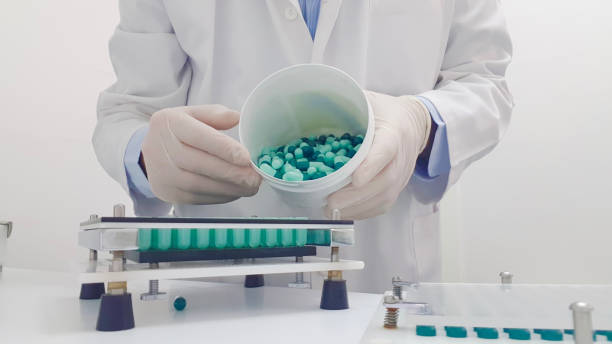
This is something most entrepreneurs in pharmaceuticals discover through bitter experience. They invest weeks or months of research and budgeting for their business plan. They find a medicines manufacturing company that looks reliable on paper. Everything seems in place, certifications, product range, pricing. They enter into an agreement. But then trouble begins. They face quality issues, delays, and rejected batches. And suddenly, your brand is the one taking the hit, not the manufacturer. This happens more often than people talk about. And the reason is almost always the same: the manufacturing partner was never truly built for what your brand needed.
Here is why that matters more than most people realise.
A medicine manufacturing company is not just a vendor. It is the backbone of your product quality, your compliance record, and your delivery reputation. When something goes wrong at the manufacturing level, your customers do not blame the manufacturer. They blame your brand.
That pressure is real. Think carefully about it before you sign anything.
What Makes a Manufacturing Partner Right for Your Brand?
Not every pharma brand has the same needs. A startup launching its first three SKUs has very different requirements than an established company scaling across multiple therapeutic segments.
The mistake most people make is treating all certified manufacturers as interchangeable. A WHO-GMP certificate matters. It is non-negotiable. But certification alone does not tell you whether a manufacturer can handle your product type, your batch size, your timelines, or your documentation requirements.
Here is what you should actually look at.
Product knowledge by dosage form matters a great deal. A company that primarily manufactures tablets may not have the same depth when it comes to soft gelatin capsules or oral liquids. Simply put: How many runs per month do you make of this particular dosage form? That’s where you’ll find more information than any pamphlet could tell you.
Another factor that gets underrated is therapeutic segment experience. Creating a drug for heart conditions and creating a nutritional vitamin supplement are two very different things indeed. A manufacturer with genuine experience in your segment will catch problems early. One without it may not even know there is a problem.
The Fear Nobody Talks About
Here is something worth sitting with for a moment.
If your manufacturing partner fails a regulatory audit, your products could be pulled from the market. Your distributor relationships take a hit. Your brand’s credibility, which took years to build, can take damage from something entirely outside your direct control.
That is not a small risk.
The Indian pharmaceutical industry is valued at over $50 billion and supplies more than 20% of global generic medicines by volume, according to the Indian Brand Equity Foundation. That scale brings opportunity. It also brings a crowded market where not every manufacturer operates at the same standard.
Some cut corners on raw material sourcing. Some overcommit on capacity. Some have the right certificates but outdated equipment. You will not see any of that in a sales presentation.
What to Actually Ask Before You Commit
When evaluating a medicine manufacturing company, treat it like hiring a long-term partner, not placing a one-time order.
Ask for a facility visit. Not a virtual tour, an actual walk-through. How the plant looks, how materials are stored, and how staff behave during a semi-announced visit tell you a lot.
Ask about their in-house testing laboratory. Is testing done in-house or outsourced? In-house labs give you faster turnaround and more control over results.
Ask about their documentation support. Can they help with dossier preparation? Do they have experience with state drug authority submissions? If you are thinking about exports eventually, do they understand international documentation requirements?
Ask about batch size flexibility. Some manufacturers have high minimum order quantities that work for large companies but create problems for brands still testing market response. A good manufacturing partner works with you at different stages of growth.
The Difference Between a Manufacturer and a Manufacturing Partner
There is a real difference between a company that makes your product and one that cares whether your brand succeeds.
A manufacturing partner communicates ahead of time. They flag potential issues before those issues become problems. They understand that your brand’s growth is tied to their reliability, and they treat that relationship seriously.
This is perhaps where most brands make their biggest mistake. They focus on price per unit and forget to ask whether the company they are signing with has a track record of supporting clients through challenges, not just during smooth production runs.
1,000 satisfied customers is a number worth paying attention to. So is ten years of consistent operations. Ask a potential medicine manufacturing company for references. Ask how they handled a batch failure. Ask what happens when a delivery is delayed. The answers will tell you whether you are dealing with a vendor or a real partner.
Final Thoughts
The right medicine manufacturing company does not just manufacture. It protects your brand while you focus on building it.
That is the standard worth holding out for.