


Most discoloration does not appear overnight. A small patch near the cheek. Acne marks that stay long after breakouts disappear. Sun spots that slowly become more noticeable every summer. At first, people usually assume the problem will fade on its own. Sometimes it does not. Then something odd happens.
The spots become easier to notice in bright lighting. Bathroom mirrors start feeling annoying. Pictures taken outdoors suddenly look different. A person may go months without caring much, then one random photo changes everything. It sounds dramatic, maybe, though that is usually how the frustration begins.
Drugstore Products Stop Feeling Like Enough
That is one reason searches for dermatologist skin lightening treatment in North Miami have become more common lately. Many people have already spent months trying serums, creams, scrubs, and internet skincare trends before booking an appointment anywhere. Some products help briefly. Others irritate the skin almost immediately.
That cycle gets exhausting after a while. A cabinet full of half-used skincare bottles becomes pretty common, actually. People grow tired of guessing what their skin needs, especially after spending money repeatedly without seeing much change.
Trust Starts Mattering More Than Marketing
As awareness around skincare and cosmetic procedures increases, many individuals look for providers that align with their treatment expectations and comfort levels. Del Campo Dermatology & Laser Institute continues to maintain a presence within the broader cosmetic dermatology landscape.
Skin concerns feel personal in a way that other cosmetic issues sometimes do not. A person can hide bad hair under a hat. Uneven pigmentation sits directly on the face. It affects confidence quietly throughout the day. Some avoid close-up photos. Others keep adjusting lighting during video calls without even realizing they are doing it anymore.
Social Media Did Not Help Much Either
Years ago, most people saw themselves in mirrors only a few times a day. Now cameras are everywhere. Phones. Laptops. Security screens. Bright restaurant selfies nobody asked for.
That constant exposure changes how people view their skin. Tiny spots become impossible to ignore after staring at them repeatedly online. A person may appear completely normal to everyone else while privately fixating on a dark patch near the forehead for months. Maybe longer.
There is also pressure to look polished all the time now. Even casual photos feel public.
Treatments Feel Less Intimidating Than Before
A lot of patients still hesitate at first because cosmetic procedures sound aggressive in their minds. Some expect painful treatments or dramatic peeling afterward. Reality tends to feel less extreme once they actually speak with professionals.
Most people are not trying to look completely different anyway. They usually want their skin tone to appear calmer and more balanced. That is it. Less redness. Fewer dark marks. A smoother appearance overall. The goals often sound surprisingly modest once patients explain them out loud.
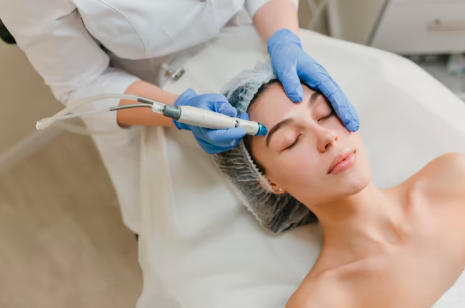
Some clinics combine treatments with chemical exfoliation when surface discoloration becomes difficult to improve through skincare products alone.
Sun Exposure Creates Ongoing Problems
Living in South Florida adds another layer to the situation. Heat and sunlight affect skin more than many realize. Even careful people struggle with pigmentation issues after years of regular sun exposure.
One weekend outdoors may not seem serious. Repeated exposure over time tells a different story, though. Pigmentation tends to return faster when the skin is constantly irritated. That frustrates people because improvement can feel inconsistent. Skin looks clearer for a while, then certain spots slowly reappear.
Honestly, that emotional back-and-forth bothers some patients more than the discoloration itself.
Frustration Usually Builds Quietly
Most people do not openly talk about feeling insecure over their uneven skin tone. They just adapt around it slowly. Heavier makeup. Filters. Avoiding harsh lighting. Standing farther from the cameras.
Eventually, those habits become tiring.
That is often the moment when professional treatment starts to sound more appealing. Not because someone suddenly wants perfection. Usually, they just want to stop thinking about their skin every single day. That mental relief matters more than outsiders probably understand.
Laser resurfacing also becomes an option for some patients dealing with stubborn pigmentation combined with uneven texture from older acne scars.
Real Improvement Often Takes Patience
One thing patients appreciate about experienced dermatology care is honesty. Good results rarely happen overnight, even with professional treatment plans. Skin reacts gradually. Some spots fade faster than others. Certain areas improve quickly, while nearby discoloration barely changes initially.
That slower progress can feel frustrating at first. Then people start noticing smaller improvements they missed before. Makeup applies differently. Photos require less editing. Bright sunlight becomes less stressful. Tiny changes begin adding up quietly over time.
Those details matter because confidence usually returns gradually, too.
Feeling Comfortable Without Makeup Changes Things
A surprising number of patients eventually mention this. They no longer feel dependent on heavy coverage whenever they leave the house. Running errands without makeup stops feeling uncomfortable. Pool days become easier. Quick photos with friends feel less stressful.
That freedom creates emotional relief that many people did not expect beforehand. The skin may not look perfect, though perfection was never really the goal for most patients anyway.
They simply wanted to feel comfortable again.
Conclusion
More people are exploring professional skin-lightening treatments because uneven skin tone can subtly undermine confidence in ways that build over time. Drugstore products often leave patients frustrated, especially after months of inconsistent results and irritation.
Professional dermatology care provides patients with clearer guidance and treatment plans tailored to their specific skin concerns. For many, the biggest change is not only physical improvement. It is finally feeling less distracted by their skin during everyday life.