



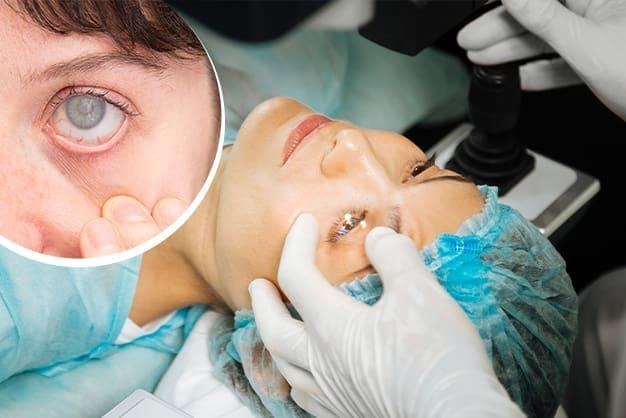
Diabetes affects millions of people worldwide and can impact multiple organs, including the eyes. While many people know diabetes can affect blood sugar levels, fewer realize that long-term diabetes can significantly increase the risk of vision problems, including cataracts.
Cataracts develop when the natural lens of the eye becomes cloudy, making it difficult to see clearly. People with diabetes usually develop cataracts earlier than those without diabetes, and the condition may progress more quickly.
Understanding the connection between diabetes and cataracts can help individuals protect their vision through early detection, lifestyle management, and timely medical care.
What Is a Cataract?
A cataract is a condition in which the eye’s natural lens becomes cloudy, reducing the amount of light that reaches the retina. This can lead to blurred vision, glare sensitivity, and difficulty seeing clearly.
Common Symptoms of Cataracts
People with cataracts may experience:
- Blurred or cloudy vision
- Increased sensitivity to light
- Difficulty seeing at night
- Faded or yellowish colors
- Frequent changes in eyeglass prescription
Cataracts usually develop gradually and may affect one or both eyes.
Understanding Diabetes and Eye Health
Diabetes occurs when the body cannot properly regulate blood sugar levels. Over time, high blood sugar can damage blood vessels, nerves, and delicate tissues throughout the body, including the eyes.
Eye Conditions Linked to Diabetes
Diabetes can increase the risk of several eye problems, including:
- Diabetic retinopathy
- Glaucoma
- Macular edema
- Cataracts
Regular eye examinations are essential for people living with diabetes.
How Diabetes Increases Cataract Risk
High blood sugar levels can affect the lens of the eye in several ways.
Changes in Lens Structure
Excess glucose in the bloodstream can enter the lens of the eye. When glucose is converted into sorbitol, it can cause fluid buildup and changes in the lens structure.
This may lead to:
- Swelling of the lens
- Reduced lens clarity
- Faster protein breakdown within the lens
Over time, these changes can increase the likelihood of cataract formation.
Oxidative Stress
Diabetes can increase oxidative stress in the body, which may damage lens proteins and contribute to clouding of the lens.
Inflammation and Cellular Damage
Chronic high blood sugar may cause inflammation and damage to eye tissues, further increasing the risk of cataract development.
Why Cataracts May Develop Earlier in Diabetic Patients
People with diabetes usually develop cataracts at a younger age compared to those without diabetes.
Contributing Factors
Several factors may accelerate cataract development:
- Poor blood sugar control
- Long duration of diabetes
- High blood pressure
- High cholesterol
- Smoking or unhealthy lifestyle habits
The longer blood sugar remains uncontrolled, the greater the risk of eye complications.
Warning Signs Diabetic Patients Should Watch For
Recognizing symptoms early can help prevent vision loss.
Signs That Need Attention
- Sudden changes in vision
- Increased glare while driving at night
- Difficulty reading or focusing
- Cloudy or dim vision
- Double vision in one eye
Any new or worsening vision symptoms should be evaluated promptly.
Importance of Blood Sugar Control
Managing blood sugar is one of the most important ways to protect eye health.
Benefits of Blood Sugar Management
Good blood sugar control may help:
- Slow cataract progression
- Reduce the risk of other diabetic eye diseases
- Improve overall eye health
- Lower long-term complications
Healthy glucose levels support better vision outcomes.
Lifestyle Changes to Reduce Cataract Risk
Healthy habits can help lower the risk of cataracts and support overall eye health.
Recommended Lifestyle Habits
- Monitor blood sugar regularly
- Follow a balanced diet
- Exercise consistently
- Avoid smoking
- Wear sunglasses for UV protection
These habits support both diabetes management and eye protection.
How Cataracts Are Diagnosed
Eye specialists diagnose cataracts through a comprehensive eye examination.
Common Diagnostic Tests
Doctors may perform:
- Visual acuity test
- Slit-lamp examination
- Retinal examination
- Lens evaluation
Early diagnosis helps determine the right treatment plan.
Treatment Options for Cataracts
In the early stages, stronger lighting or updated glasses may temporarily help. However, surgery becomes necessary when vision significantly affects daily activities.
Cataract Surgery
Cataract surgery involves removing the cloudy lens and replacing it with an artificial lens.
It is one of the most commonly performed and successful eye procedures worldwide.
In Mumbai, many diabetic patients experiencing progressive vision changes look for trusted centers offering cataract surgery in Mumbai to restore visual clarity and reduce the impact of lens clouding on daily life.
Recovery After Cataract Surgery in Diabetic Patients
Recovery is generally smooth, but diabetic patients may require closer monitoring.
Post-Surgery Care Includes
- Using prescribed eye drops
- Attending follow-up visits
- Monitoring blood sugar carefully
- Avoiding eye strain during recovery
Good diabetes management can support healing and improve surgical outcomes.
Preventing Vision Complications in Diabetes
Preventive care plays a major role in long-term eye health.
Essential Prevention Tips
- Get annual comprehensive eye exams
- Control blood sugar, blood pressure, and cholesterol
- Follow medication plans carefully
- Report any vision changes immediately
Early intervention usually prevents serious complications.
Frequently Asked Questions
Can diabetes cause cataracts?
Yes, diabetes increases the risk of cataracts due to long-term high blood sugar and changes in the lens of the eye.
At what age can diabetic patients develop cataracts?
People with diabetes may develop cataracts earlier than the general population, sometimes in middle age.
Can controlling blood sugar prevent cataracts?
Good blood sugar control may reduce the risk and slow progression of cataracts.
Is cataract surgery safe for diabetic patients?
Yes, cataract surgery is generally safe, though diabetic patients may need closer monitoring before and after surgery.
How often should diabetic patients get eye exams?
Annual eye examinations are usually recommended, though some patients may need more frequent monitoring.
Conclusion
Diabetes can significantly increase the risk of cataracts by affecting the natural lens of the eye through high blood sugar, inflammation, and oxidative stress. People living with diabetes may develop cataracts earlier and experience faster progression compared to others.
Understanding this connection is essential for protecting long-term vision. With proper blood sugar management, regular eye examinations, healthy lifestyle habits, and timely medical care, diabetic individuals can reduce complications and maintain better eye health for years to come.