



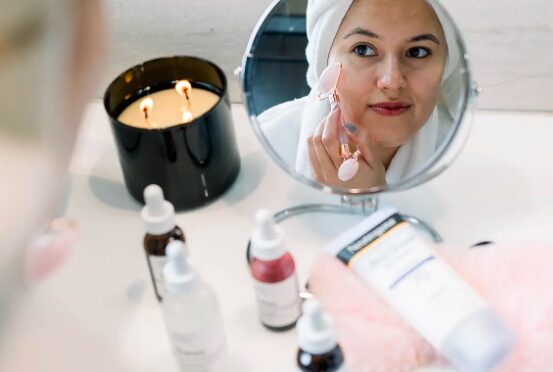
An active lifestyle is often associated with good health, discipline, and long-term wellbeing. People who regularly exercise, spend time outdoors, and prioritize physical fitness are usually seen as highly health-conscious individuals. However, being physically active does not automatically mean someone pays close attention to skin health. In fact, many people who participate in outdoor sports and recreational activities may overlook preventive skin habits despite understanding the importance of overall wellness. Across Australia, increased awareness around services like a melanoma clinic sydney is highlighting the gap that can exist between general fitness habits and proactive skin monitoring.
This disconnect reveals an important truth: maintaining physical fitness and practicing preventive skin care are not always treated with the same level of attention, even though both play significant roles in long-term health.
The Link Between Outdoor Activity and UV Exposure
People with active lifestyles often spend substantial time outdoors. Running, cycling, surfing, hiking, tennis, golf, and fitness training all increase exposure to ultraviolet radiation.
While outdoor activity provides major physical and mental health benefits, it can also lead to repeated sun exposure over many years.
Why UV Exposure Often Goes Unnoticed
Unlike injuries or physical fatigue, sun damage develops gradually. People may not notice its effects immediately because changes accumulate slowly beneath the surface of the skin.
This delayed impact makes UV exposure easier to underestimate, particularly among individuals who associate exercise and outdoor living with positive health outcomes.
As a result, some active adults assume that because they are fit and healthy overall, their skin health is automatically well-managed too.
Fitness Culture Often Prioritizes Performance Over Prevention
Modern wellness culture heavily emphasizes strength, endurance, nutrition, and physical appearance. Preventive skin awareness, however, is not always discussed with the same urgency.
Athletes and fitness-focused individuals commonly pay attention to:
- Workout routines
- Recovery strategies
- Hydration
- Muscle performance
- Cardiovascular health
Yet routine skin monitoring may remain absent from their regular health habits.
Why Skin Health Can Become Secondary
For many people, skin care is viewed as cosmetic rather than preventive. Sunscreen application may feel less important compared to achieving training goals or maintaining performance routines.
In some cases, outdoor athletes avoid sunscreen altogether because they dislike the texture, sweating, or inconvenience during activity.
Over time, these small habits can contribute to cumulative sun exposure without individuals fully realizing the long-term consequences.
The Psychological Effect of Feeling Healthy
One major reason active individuals may overlook preventive skin habits is the belief that overall fitness equals overall protection.
People who exercise regularly often feel energetic, resilient, and physically strong. This positive self-image can unintentionally reduce perceived vulnerability to health conditions.
The “I’m Healthy” Mindset
Many active adults subconsciously assume:
- Serious health issues happen to less healthy people
- Physical fitness lowers all medical risks
- Preventive appointments are unnecessary without symptoms
- Skin changes are probably harmless
This mindset is understandable but can create blind spots when it comes to early detection and routine monitoring.
Sun Exposure Is Often Built Into Active Lifestyles
Australia’s outdoor culture encourages year-round activity in sunny conditions. Beaches, parks, sports fields, and walking trails are deeply connected to everyday life.
For active individuals, time spent outside may include:
- Morning runs
- Weekend sports competitions
- Outdoor gym sessions
- Cycling commutes
- Recreational travel
Even moderate daily exposure can accumulate significantly over decades.
Repeated Exposure Matters More Than Occasional Burns
Many people associate skin risk only with severe sunburns. However, repeated low-level exposure also contributes to long-term skin damage.
Someone who spends hours outdoors several times a week may accumulate considerable UV exposure even if they rarely burn noticeably.
This cumulative effect is one reason preventive skin awareness is becoming increasingly important among active adults.
Why Preventive Skin Habits Require Consistency
Protective behaviors only become effective when practiced regularly. Occasional sunscreen use or infrequent skin checks may not provide adequate long-term monitoring.
Preventive Habits Active Individuals Often Overlook
Routine Skin Reviews
Many physically active adults prioritize sports physicals or injury treatment but delay professional skin assessments.
Full-Body Self-Checks
Moles and skin changes can appear in difficult-to-see areas such as the back, scalp, or legs.
Consistent Sunscreen Reapplication
Sweat, swimming, and extended outdoor sessions can reduce sunscreen effectiveness throughout the day.
Protective Clothing
Hats, UV-protective fabrics, and shaded breaks are often neglected during exercise.
These small gaps in preventive behavior can add up over time.
Awareness Around Skin Health Is Improving
Fortunately, public awareness surrounding skin health has increased significantly in recent years. More healthcare campaigns now emphasize that physically active individuals are not immune to skin-related risks.
Athletes, outdoor workers, and recreational sports participants are increasingly encouraged to integrate skin monitoring into their broader wellness routines.
Technology Is Supporting Better Monitoring
Modern skin assessments may include:
- Digital mole mapping
- Dermoscopy imaging
- Comparative skin photography
- Preventive annual screenings
These tools help identify subtle skin changes early and support more accurate long-term monitoring.
As awareness grows, preventive skin reviews are gradually becoming part of a more complete definition of personal health.
Building a More Balanced View of Wellness
True wellness involves more than physical fitness alone. Long-term health also depends on prevention, awareness, and routine medical monitoring.
People who maintain active lifestyles already demonstrate discipline and commitment in many aspects of their wellbeing. Applying that same consistency to skin health can create a more balanced and comprehensive approach to preventive care.
Healthy Habits That Support Skin Awareness
- Scheduling regular skin examinations
- Monitoring moles and changing spots
- Using sunscreen daily
- Wearing protective clothing outdoors
- Seeking medical advice for unusual skin changes
These habits complement an active lifestyle rather than compete with it.
Why Prevention Should Be Part of Every Wellness Routine
The connection between outdoor activity and skin exposure makes preventive awareness especially important for physically active adults. While exercise and fitness provide enormous health benefits, they do not automatically eliminate the need for proactive skin care.
As public understanding continues evolving, more people are beginning to recognize that true long-term wellness includes monitoring the body inside and out — including the skin.
By combining physical activity with consistent preventive habits, individuals can create healthier routines that support both performance and long-term protection for years to come.