



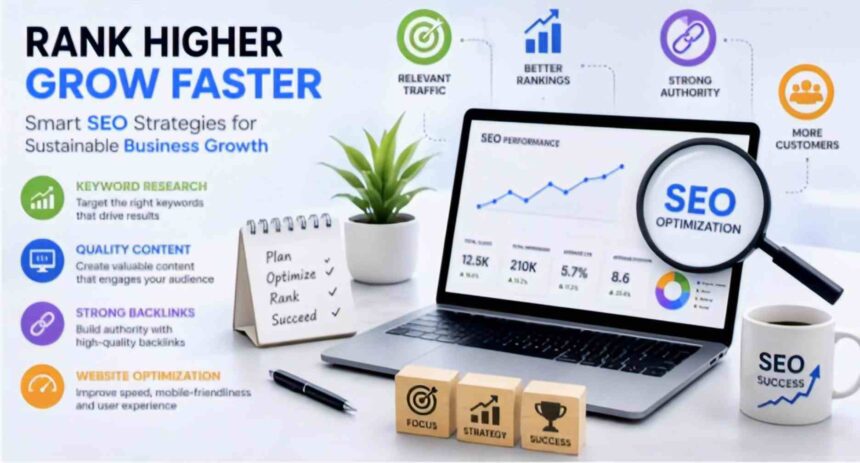
In today’s fast-changing digital world, businesses can no longer rely on outdated marketing strategies to stay competitive online. Search Engine Optimization (SEO) continues to evolve as search engines become smarter, user behavior changes, and new technologies reshape the online experience. Modern businesses that want to improve visibility, attract qualified traffic, and increase conversions must stay updated with the latest SEO trends.
SEO is no longer just about adding keywords to a webpage. It now focuses on delivering high-quality content, improving user experience, understanding search intent, and building trust with both users and search engines. Businesses that adapt to modern SEO trends are more likely to strengthen their online presence and achieve long-term digital growth.
The Growing Importance of User Experience (UX)
Search engines are increasingly prioritizing websites that offer a smooth and user-friendly experience. Google now evaluates factors such as page speed, mobile responsiveness, easy navigation, and overall website usability when ranking pages in search results. A slow-loading or poorly designed website can negatively affect both rankings and customer engagement.
Modern businesses should focus on creating websites that are fast, visually appealing, and easy to navigate across all devices. Mobile optimization has become especially important as a significant portion of online searches now come from smartphones and tablets. A responsive website design helps improve user satisfaction while also supporting better search engine rankings.
AI and Machine Learning Are Changing SEO
Artificial Intelligence (AI) is transforming the way search engines understand content and user behavior. Google’s AI-powered algorithms can now better interpret search intent, analyze user interactions, and deliver more relevant search results. This means businesses need to focus less on keyword stuffing and more on creating meaningful, informative, and high-quality content.
AI-powered SEO tools are also helping businesses improve keyword research, content optimization, competitor analysis, and performance tracking. By using data-driven insights, businesses can make smarter SEO decisions and create strategies that align with evolving search engine algorithms.
Search Intent Optimization
Modern SEO is heavily focused on understanding what users actually want when they perform a search. Search intent refers to the purpose behind a user’s query, whether they are looking for information, comparing products, or making a purchase decision.
Businesses that create content matching user intent are more likely to rank higher and attract relevant traffic. For example, informational blog posts, product comparison guides, tutorials, and service pages should all be optimized based on the specific needs of the target audience.
Instead of targeting only broad keywords, businesses should focus on long-tail keywords and conversational search phrases that reflect real user behavior. This approach improves both search visibility and conversion potential.
The Rise of Voice Search
Voice search continues to grow due to the popularity of smartphones, smart speakers, and virtual assistants. Users now perform searches using natural language and longer conversational queries. As a result, businesses must adapt their SEO strategies to accommodate voice-based searches.
Optimizing for voice search involves using natural-sounding language, answering common customer questions, and targeting question-based keywords. FAQ sections, featured snippets, and conversational content structures can help businesses improve visibility in voice search results.
Voice search optimization is particularly important for local businesses, as many voice searches are location-based, such as “best SEO company near me” or “top construction services in my area.”
High-Quality Content Remains Essential
Content continues to be one of the most important aspects of SEO success. However, modern SEO prioritizes quality over quantity. Search engines reward websites that provide valuable, original, informative, and engaging content that genuinely helps users.
Businesses should focus on publishing well-researched articles, industry insights, case studies, guides, and educational resources that demonstrate expertise and authority. Content should be written for humans first while still following SEO best practices.
Regularly updating old content is also an effective SEO strategy. Refreshing statistics, improving readability, adding new information, and optimizing keywords can help maintain rankings and improve search performance over time.
Video SEO Is Becoming More Important
Video content has become a major part of digital marketing, and search engines increasingly prioritize video results. Platforms like YouTube, short-form videos, tutorials, product demonstrations, and educational videos now play a key role in SEO strategies.
Businesses can improve video SEO by optimizing video titles, descriptions, tags, and transcripts with relevant keywords. Embedding videos within blog content can also increase user engagement and time spent on a website, which are positive ranking signals for search engines.
As online audiences continue to consume more visual content, businesses that invest in video marketing are likely to gain a competitive advantage.
Local SEO Continues to Grow
Local SEO remains a critical trend for businesses that serve specific geographic areas. Search engines increasingly prioritize local search results, especially for service-based businesses.
Optimizing Google Business Profiles, collecting customer reviews, maintaining consistent business information, and targeting location-based keywords can significantly improve local search visibility. Businesses should also focus on creating local content and earning backlinks from regionally relevant websites.
For industries such as construction, healthcare, hospitality, and professional services, strong local SEO can directly influence lead generation and customer acquisition.
E-E-A-T and Brand Authority
Google places significant importance on Experience, Expertise, Authoritativeness, and Trustworthiness (E-E-A-T). Websites that demonstrate industry knowledge, credibility, and trustworthy information are more likely to perform well in search results.
Businesses can strengthen E-E-A-T by:
- Publishing expert-level content
- Showcasing author credentials
- Earning backlinks from reputable websites
- Displaying customer testimonials and reviews
- Maintaining accurate business information
- Securing websites with HTTPS
Building brand authority through consistent, valuable content and strong online reputation management is becoming increasingly important in competitive industries.
Technical SEO and Website Performance
Technical SEO continues to play a major role in website rankings. Search engines need to efficiently crawl, index, and understand website content. Businesses should regularly monitor technical SEO factors such as:
- Site speed
- Mobile usability
- XML sitemaps
- Structured data
- Broken links
- Secure HTTPS connections
- Core Web Vitals
A technically optimized website not only improves search rankings but also enhances overall user experience and website performance.
The Future of SEO
SEO will continue evolving alongside technology, artificial intelligence, and changing user behavior. Businesses that remain adaptable and proactive will be better positioned to maintain strong online visibility in the future.
The most successful SEO strategies are no longer based solely on rankings but on creating meaningful digital experiences that provide real value to users. Businesses that invest in high-quality content, user-focused optimization, technical performance, and trustworthy branding will continue to grow in an increasingly competitive digital environment.
Conclusion
Modern SEO is far more advanced than traditional keyword-focused optimization techniques. Today’s businesses must understand evolving search trends, user behavior, and technological advancements to stay competitive online. From AI-powered search algorithms and voice search optimization to high-quality content creation and local SEO, these trends are shaping the future of digital marketing.
By adapting to modern SEO strategies and focusing on long-term value rather than short-term tactics, businesses can improve search visibility, attract targeted audiences, and build sustainable online growth. In an ever-changing digital landscape, staying informed about SEO trends is no longer optional — it is essential for long-term business success.