



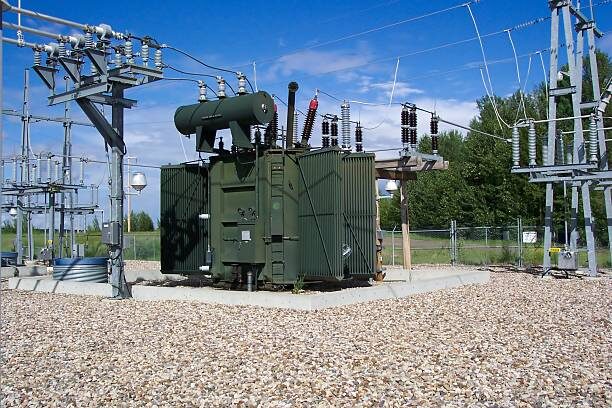
Transformer grounding is one of the most critical design elements in any electrical power system, yet it is often overlooked until problems arise. Proper grounding determines how electrical faults behave, how quickly protection systems respond, and how safe an installation remains during abnormal conditions. Without effective transformer grounding, even a well-designed electrical network can experience equipment damage, voltage instability, and serious safety hazards.
Transformer grounding establishes a controlled electrical reference between the power system and the earth. This connection allows fault currents to flow safely, stabilizes system voltages, and enables protective devices to operate correctly. From industrial plants to renewable energy facilities and utility distribution networks, grounding strategies directly influence system reliability and operational safety.
This article provides a practical and easy-to-understand explanation of transformer grounding, including its purpose, methods, benefits, design considerations, and best practices.
What Is Transformer Grounding?
Transformer grounding refers to connecting specific parts of a transformer, typically the neutral point and metal enclosure, to earth through a grounding system.
This grounding connection creates a stable voltage reference and provides a safe path for electrical fault current.
Grounding generally involves:
- Neutral grounding
- Tank or enclosure grounding
- Grounding electrodes
- Protective grounding conductors
Together, these elements ensure electrical energy behaves predictably during both normal operation and fault conditions.
Why Transformer Grounding Is Essential
Grounding is not simply a regulatory requirement. It directly affects electrical performance and safety.
Protection of Personnel
Grounding prevents exposed metal parts from reaching dangerous voltages during faults. If insulation fails, fault current flows to earth instead of through a person touching the equipment.
Reliable Fault Detection
Protective relays and circuit breakers depend on measurable fault current. Grounding ensures sufficient current flows to trigger protection systems quickly.
Voltage Stability
Grounding fixes system voltage relative to earth potential, preventing floating voltages and insulation stress.
Equipment Longevity
Proper grounding reduces electrical stress, helping transformers and connected equipment last longer.
Types of Transformer Grounding Methods
Different grounding approaches are selected based on system requirements and fault current limits.
Solid Grounding
The transformer neutral connects directly to earth without impedance.
Advantages include:
- Fast fault clearing
- Simple design
- Effective protection operation
Commonly used in low-voltage systems.
Resistance Grounding
A resistor is placed between neutral and earth to limit fault current.
Benefits include:
- Reduced equipment damage
- Lower arc flash energy
- Improved operational continuity
Widely used in industrial environments.
Reactance Grounding
An inductor limits fault current instead of a resistor.
Used mainly in medium-voltage systems requiring controlled fault levels.
Ungrounded Systems
Previously common but now less preferred because faults may remain undetected and cause overvoltage conditions.
Grounding the Transformer Neutral
Neutral grounding is the most important part of transformer grounding.
In wye-connected transformers, grounding the neutral:
- Establishes phase voltage reference
- Enables ground fault protection
- Maintains voltage balance
Without neutral grounding, phase voltages may shift unpredictably during faults.
Grounding the Transformer Tank and Core
In addition to electrical windings, the transformer enclosure must be grounded.
This ensures:
- Safe touch voltage levels
- Protection against internal insulation failure
- Dissipation of leakage currents
Tank grounding is usually connected directly to the facility grounding grid.
How Transformer Grounding Prevents Electrical Failures
Grounding plays a direct role in preventing system damage.
Rapid Fault Isolation
Grounding allows protective devices to identify faults immediately.
Reduced Overvoltage Events
Grounding controls transient voltages caused by switching and lightning.
Prevention of Insulation Breakdown
Stable voltage levels reduce long-term insulation stress.
Ground Fault Behavior in Grounded Systems
When a ground fault occurs:
- Fault current flows through grounding path.
- Protective relays detect abnormal current.
- Circuit breakers disconnect the faulty section.
- Remaining system continues operating safely.
Without grounding, faults may persist undetected, increasing risk.
Design Factors Engineers Must Consider
Effective transformer grounding requires system analysis.
Voltage Level
Higher voltages require controlled grounding techniques.
Fault Current Magnitude
Grounding components must withstand expected fault energy.
Soil Resistivity
Poor soil conductivity may require additional grounding electrodes.
Protection Coordination
Grounding must align with relay and breaker settings.
Common Transformer Grounding Mistakes
Multiple Neutral Connections
Can create circulating currents and protection issues.
High Ground Resistance
Reduces effectiveness of fault clearing.
Undersized Conductors
May overheat during fault conditions.
Poor Maintenance
Corrosion and loose connections degrade performance.
Maintenance and Testing Practices
Grounding systems require periodic verification.
Recommended checks include:
- Ground resistance measurement
- Visual inspection of bonding connections
- Continuity testing
- Thermal inspection
Regular testing ensures grounding works when needed most.
Transformer Grounding and Lightning Protection
Lightning strikes introduce extremely high transient energy into electrical systems.
Proper grounding:
- Directs surge energy safely into earth
- Protects transformer insulation
- Reduces equipment downtime
Grounding works together with surge arresters to form a complete protection strategy.
Role in Renewable Energy and Modern Grids
Modern electrical systems increasingly include inverter-based generation such as solar and wind energy.
Transformer grounding helps:
- Stabilize inverter output voltages
- Improve protection coordination
- Maintain grid reliability
As distributed energy resources expand, grounding design becomes more complex and more important.
Best Practices for Effective Transformer Grounding
For reliable performance:
- Use engineered grounding designs
- Maintain low earth resistance
- Inspect connections regularly
- Coordinate grounding with protection systems
- Follow recognized electrical standards
These practices significantly improve safety and reliability.
Conclusion
Transformer grounding is far more than a technical requirement. It is a foundational element that determines electrical system safety, stability, and reliability. By providing a controlled path for fault currents and stabilizing system voltages, proper grounding protects equipment, prevents electrical hazards, and ensures protection systems operate correctly.
Whether in industrial facilities, commercial buildings, or modern renewable energy installations, well-designed transformer grounding remains essential for dependable power system performance. Understanding its principles and implementing best practices helps organizations reduce risk while maintaining efficient and safe electrical operations.