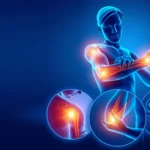




Pain can significantly affect daily activities, mobility, and overall quality of life. Whether caused by injury, surgery, chronic conditions, or poor posture, pain often limits physical function and independence. Physical therapy plays a vital role in pain management by addressing the root cause of pain rather than only masking symptoms. Through targeted exercises, manual techniques, and patient education, physical therapy helps reduce pain, restore movement, and prevent future injuries.
Understanding Physical Therapy in Pain Management
Physical therapy is a healthcare discipline focused on improving movement, strength, and physical function. In pain management, it is used to relieve pain, improve mobility, and promote long-term recovery without heavy reliance on medications.
Goals of Physical Therapy for Pain Relief
- Reduce pain and inflammation
- Restore joint and muscle function
- Improve flexibility and strength
- Prevent recurrence of pain
- Enhance quality of life
Physical therapy is commonly used for both acute and chronic pain conditions.
Common Conditions Treated with Physical Therapy
Physical therapy is effective in managing various types of pain.
Musculoskeletal Pain
This includes pain affecting muscles, joints, ligaments, and bones.
Examples
- Back and neck pain
- Shoulder pain
- Knee and hip pain
- Sports injuries
Chronic Pain Conditions
Physical therapy is especially helpful for long-term pain disorders.
Common Chronic Conditions
- Arthritis
- Fibromyalgia
- Sciatica
- Chronic lower back pain
Regular therapy helps reduce stiffness and improve function.
Post-Surgical Pain
After surgery, physical therapy promotes healing and prevents complications.
Benefits After Surgery
- Reduces post-operative pain
- Improves mobility
- Prevents muscle weakness
- Speeds up recovery
Physical Therapy Techniques Used in Pain Management
Physical therapists use a variety of evidence-based techniques to manage pain.
Therapeutic Exercises
Exercises are designed to strengthen muscles, improve flexibility, and restore movement.
Types of Exercises
- Stretching exercises
- Strength training
- Range-of-motion exercises
- Balance and stability exercises
Proper exercise helps reduce stress on joints and muscles.
Manual Therapy
Manual therapy involves hands-on techniques performed by a physical therapist.
Common Manual Techniques
- Joint mobilization
- Soft tissue massage
- Myofascial release
These techniques help relieve muscle tension and improve circulation.
Modalities for Pain Relief
Physical therapy may include pain-relieving modalities.
Common Modalities
- Heat therapy
- Cold therapy
- Ultrasound therapy
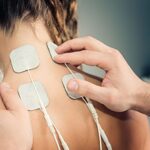
- Electrical stimulation
These methods help reduce pain, swelling, and muscle spasms.
Role of Physical Therapy in Reducing Medication Dependence
One major benefit of physical therapy is its ability to reduce reliance on pain medications.
Advantages Over Medication-Based Treatment
- Fewer side effects
- No risk of addiction
- Long-term pain relief
- Addresses the cause of pain
Physical therapy provides a safer and more sustainable approach to pain management.
Importance of Patient Education in Physical Therapy
Education is a key component of physical therapy.
What Patients Learn
- Proper posture and body mechanics
- Safe movement techniques
- Home exercise programs
- Injury prevention strategies
Educated patients are more likely to maintain pain-free movement.
Physical Therapy and Mental Well-Being
Pain often affects mental health, leading to stress, anxiety, and depression.
Psychological Benefits of Physical Therapy
- Increased confidence in movement
- Reduced fear of pain
- Improved mood and motivation
Active participation in recovery promotes both physical and emotional well-being.
Long-Term Benefits of Physical Therapy in Pain Management
Physical therapy provides lasting benefits beyond immediate pain relief.
Key Long-Term Benefits
- Improved strength and flexibility
- Better posture and movement patterns
- Reduced risk of future injuries
- Enhanced independence and mobility
Consistency in therapy leads to sustainable pain control.
When to Consider Physical Therapy for Pain
Physical therapy is recommended when:
- Pain persists for weeks or months
- Movement becomes limited
- Pain interferes with daily activities
- Recovery is needed after injury or surgery
Early intervention often leads to better outcomes.
Conclusion
Physical therapy plays a crucial role in pain management by treating the underlying causes of pain and restoring physical function. Through therapeutic exercises, manual techniques, and patient education, it offers a safe, effective, and long-term solution for managing both acute and chronic pain. By reducing dependence on medications and promoting active recovery, physical therapy helps individuals regain mobility, confidence, and a better quality of life.