



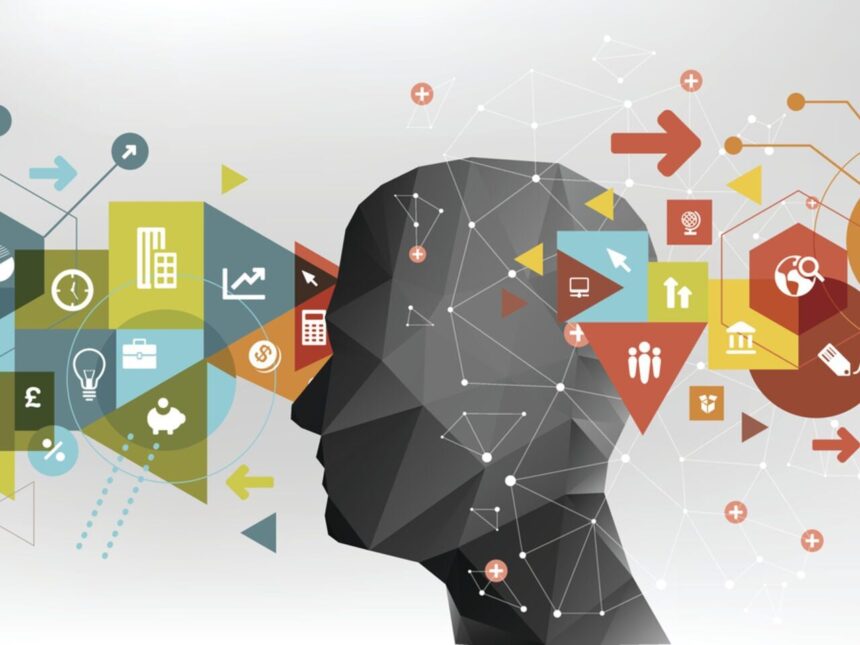
The human brain reacts before logic begins. The brain scans and judges in rapid silence. A website visit feels simple on the surface. A person clicks a link and waits. Yet inside the mind, fireworks burst with activity. Nerve cells spark and signals race. Chemical messengers travel across tiny gaps. So within seconds, a visitor forms trust or doubt.
This silent storm decides everything. It shapes whether a user stays or leaves. It guides whether a product feels useful or risky. Therefore, understanding the brain becomes vital for your smart website design in Melbourne.
First things first—
The First Glance Triggers Instant Judgment
When users land on a website, the visual cortex activates first. This part of the brain processes images and shapes. It scans colours and patterns at lightning speed. The brain seeks order and clarity. If it sees chaos, it sends warning signals.
This reaction occurs in less than a second. The brain asks simple questions immediately. Is this safe? Is this clear? Is this worth my time? So, design must answer these questions without delay.
That is why designers craft clean layouts for website designs in Melbourne. They avoid clutter that overwhelms the senses and use white space to create breathing room. A calm layout tells the brain that everything feels under control.
The Amygdala Checks for Danger
Deep inside the brain sits the amygdala. This small structure controls fear and emotional response. It works like a guard at the gate and looks for signs of danger or risk.
If a website feels suspicious, the amygdala reacts fast. Poor design can trigger this alarm. Blurry images can spark doubt. Strange pop ups can create anxiety. So, trust can vanish before content loads fully.
Website design experts pay attention to trust signals early. They include secure payment icons and clear contact details, while using professional fonts and high quality images. These choices calm the amygdala and reduce fear.
Dopamine Rewards Positive Experiences
The brain loves rewards. Dopamine flows when something feels exciting or pleasing. This chemical creates motivation and pleasure, encouraging users to explore further.
- Bright colors can spark mild excitement.
- Smooth animations can create delight.
- Clear success messages after form submission can boost satisfaction.
For website designs in Melbourne, designers use these microinteractions wisely. A button may change colour when hovered over. A progress bar may move smoothly during checkout. Moreover, confirmation messages feel friendly and warm. These small touches trigger dopamine and keep users interested.
Cognitive Load Shapes Decision Making
The brain avoids heavy mental effort. Complex layouts increase cognitive load, while long paragraphs feel exhausting to process. Confusing menus also create stress quickly.
When cognitive load rises, the brain seeks escape. That escape often means closing the tab. Therefore, a simple structure supports longer visits. Clear headings guide attention gently.
So, website design agencies focus on clarity during planning stages. They limit menu items to essential options and break content into short sections with clear titles. This structure reduces mental strain and keeps attention steady.
The Role of Memory and Familiarity
Familiar layouts feel safe and easy to navigate. For example, users expect logos in the top left corner. They expect navigation menus at the top of the page. When design follows these patterns, the brain relaxes.
Unusual design may look creative at first glance. However, it can confuse users if it feels too different. So, balance becomes crucial.
This is why professionals study common design standards for their website designs in Melbourne. They innovate carefully without breaking usability rules and test new ideas with real users before launch. Familiarity builds trust and supports smooth interaction.
Emotion Drives Action More Than Logic
People believe they make rational choices. But brain science reveals a different story. Emotion often leads while logic follows behind. A website that sparks feelings gains advantage quickly.
Warm images of smiling people create connection. Clear value statements create hope. Strong testimonials build confidence. So, emotional triggers influence buying decisions more than raw data.
Attention Filters Compete for Focus
The brain filters information constantly. It decides what deserves attention. Bright colours and bold fonts capture focus first. Movement also grabs the eye. However, too many elements compete for attention. When everything shouts loudly, nothing stands out clearly. So, designers must guide attention with care.
With respect to website designs in Melbourne, visual hierarchy plays a major role. Important messages appear larger and higher on the page. Supporting text appears smaller and lower. This clear order helps the brain process information smoothly.
The Power of Storytelling in the Brain
Stories activate multiple brain regions. They engage language centers and emotional areas together. A story feels immersive and memorable. Facts alone rarely create the same impact.
When a website shares a customer journey, the brain imagines similar success. This imagination sparks motivation and desire. So, storytelling becomes a powerful web design tool.
Speed Influences Brain Response
Slow loading websites frustrate the brain quickly. Delays create tension and impatience. The brain dislikes waiting without clear reward. Fast loading pages, on the other hand, feel smooth and reliable. Quick response times build positive emotion. So, technical performance shapes psychological reactions strongly.
Website design professionals test speed across devices regularly. They optimise images and reduce heavy scripts and monitor performance after launch. Fast speed supports calm and happy brain states.
The Final Decision Moment
When users decide to click or buy, several brain areas work together. The prefrontal cortex evaluates options. The emotional centers weigh risk and reward. Memory areas recall past experiences.
If the overall feeling feels positive, action follows naturally. If doubt lingers, hesitation grows stronger. Therefore, every design detail contributes to the final outcome.
Conclusion
The brain works fast and silently. It judges within seconds of landing on a page. Visual clarity reduces fear and builds comfort. Emotional triggers spark interest and desire. Familiar patterns create trust and ease.
Understanding these processes gives designers real power. If you want to work on your website design in Melbourne, feel free to connect with the team of experts at Make My Website.