


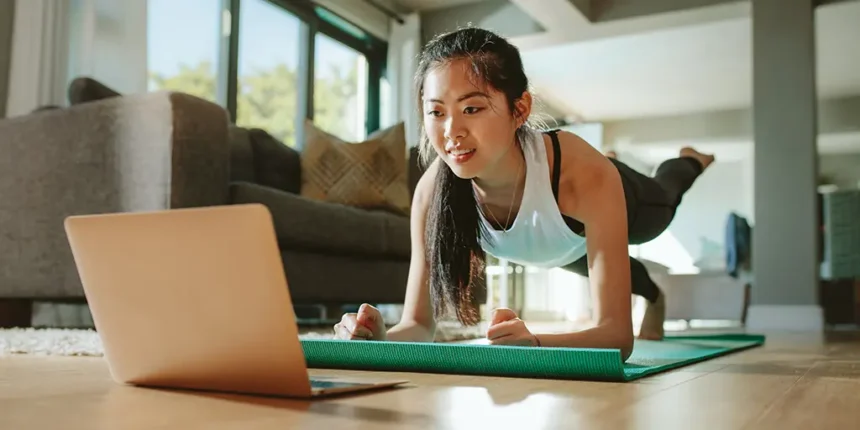
Starting a fitness journey can feel overwhelming, especially for beginners. At-home fitness programs provide a convenient, affordable, and comfortable way to begin exercising without the need for a gym membership or special equipment. These programs focus on building strength, improving flexibility, and increasing endurance at a pace suitable for beginners, making fitness accessible to everyone.
What Are At-Home Fitness Programs?
At-home fitness programs are structured workout routines designed to be performed at home using minimal or no equipment. They are ideal for beginners because they allow individuals to exercise in a familiar environment and progress gradually.
Benefits of At-Home Fitness Programs
- No gym membership required
- Flexible workout schedule
- Comfortable and private environment
- Cost-effective fitness solution
- Easy to start and maintain
These programs help beginners build consistency and confidence.
Why At-Home Fitness Is Ideal for Beginners
At-home workouts reduce common barriers to fitness such as time constraints, gym anxiety, and travel.
Beginner-Friendly Advantages
- Exercises can be modified easily
- Lower risk of injury with controlled movements
- Focus on basic fitness foundations
- Encourages habit-building
Beginners can learn proper form and technique without pressure.
Key Components of an At-Home Fitness Program
A balanced fitness program includes different types of exercises.
Warm-Up Exercises
Warming up prepares the body for physical activity.
Examples
- Arm circles
- Marching in place
- Light stretching
Warm-ups reduce the risk of injury and improve performance.
Strength Training for Beginners
Strength training builds muscle and supports overall fitness.
Simple Strength Exercises
- Bodyweight squats
- Wall push-ups
- Lunges
- Glute bridges
These exercises strengthen major muscle groups safely.
Cardio Exercises at Home
Cardio improves heart health and burns calories.
Beginner-Friendly Cardio Options
- Brisk walking in place
- Step-ups
- Jumping jacks (low-impact versions)
- Dancing
Cardio sessions help build stamina and endurance.
Flexibility and Stretching
Stretching improves mobility and reduces muscle stiffness.
Benefits of Stretching
- Improved range of motion
- Reduced muscle soreness
- Better posture
Stretching should be done after workouts or on rest days.
Sample At-Home Fitness Program for Beginners
A simple weekly plan helps beginners stay organized.
Beginner Weekly Workout Plan
- Day 1: Full-body strength workout
- Day 2: Light cardio and stretching
- Day 3: Rest or gentle movement
- Day 4: Strength training
- Day 5: Cardio workout
- Day 6: Flexibility and mobility exercises
- Day 7: Rest
Consistency is more important than intensity at the beginning.
How Long Should Beginners Exercise at Home?
Starting small helps prevent burnout and injury.
Recommended Duration
- 20–30 minutes per session
- 3–5 days per week
- Gradually increase time and intensity
Short, regular workouts are more effective than long, irregular sessions.
Importance of Proper Form and Technique
Using correct form is essential for safety and effectiveness.
Tips for Good Form
- Move slowly and with control
- Focus on posture and alignment
- Stop if pain occurs
- Follow beginner-level instructions
Learning proper form builds a strong foundation for future progress.
Staying Motivated with At-Home Fitness
Motivation is key to maintaining consistency.
Motivation Tips
- Set realistic goals
- Track progress
- Choose enjoyable workouts
- Celebrate small achievements
Creating a routine makes fitness a habit rather than a chore.
Common Mistakes Beginners Should Avoid
Avoiding mistakes helps ensure steady progress.
Common Beginner Mistakes
- Skipping warm-ups
- Overtraining too soon
- Ignoring rest days
- Expecting quick results
Patience and consistency lead to lasting results.
Role of Nutrition and Hydration
Fitness results improve with proper nutrition and hydration.
Basic Nutrition Tips for Beginners
- Eat balanced meals
- Stay hydrated
- Avoid extreme diets
Fueling the body supports energy and recovery.
Progressing Safely Over Time
As fitness improves, workouts can be adjusted.
How to Progress
- Increase repetitions gradually
- Add light resistance
- Extend workout duration
- Try new exercises
Progress should be gradual to avoid injury.
Conclusion
At-home fitness programs for beginners provide a practical and effective way to start a healthy lifestyle. With minimal equipment, flexible scheduling, and beginner-friendly exercises, these programs make fitness accessible and sustainable. By focusing on consistency, proper form, and gradual progress, beginners can build strength, improve endurance, and gain confidence over time. At-home fitness is not about perfection—it is about making small, positive changes that lead to long-term health and well-being.