



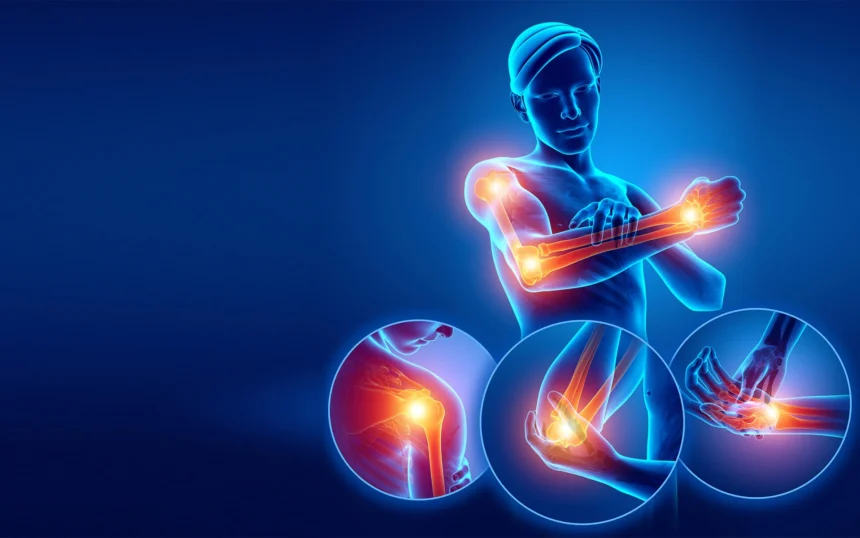
Chronic pain is a persistent condition that lasts for months or even years, often continuing beyond the expected period of healing. Unlike acute pain, which serves as a warning signal, chronic pain can significantly affect physical health, emotional well-being, and overall quality of life. Effective chronic pain management focuses on long-term strategies that reduce pain, improve function, and help individuals lead more active and fulfilling lives.
Understanding Chronic Pain
Chronic pain is typically defined as pain that lasts longer than three to six months. It may be constant or intermittent and can vary in intensity.
Common Causes of Chronic Pain
- Arthritis and joint disorders
- Back and neck problems
- Nerve damage (neuropathic pain)
- Fibromyalgia
- Migraine headaches
- Pain after surgery or injury
Understanding the cause of chronic pain is essential for developing an effective long-term treatment plan.
Goals of Long-Term Chronic Pain Management
Long-term pain management does not always aim to eliminate pain completely but focuses on improving daily functioning.
Primary Goals Include
- Reducing pain intensity
- Improving physical mobility
- Enhancing emotional well-being
- Increasing independence in daily activities
- Improving overall quality of life
A personalized approach is key to achieving these goals.
Medication-Based Treatment Options
Medications are often part of a comprehensive chronic pain management plan.
Non-Opioid Medications
These are commonly used for mild to moderate chronic pain.
Examples
- Acetaminophen
- Nonsteroidal anti-inflammatory drugs (NSAIDs)
They help reduce pain and inflammation with fewer risks than stronger medications.
Opioid Medications
Opioids may be prescribed for severe chronic pain when other treatments are ineffective.
Important Considerations
- Used under strict medical supervision
- Regular monitoring for side effects
- Often combined with non-medication therapies
Long-term opioid use is carefully evaluated due to the risk of dependence.
Adjuvant Medications
These medications treat specific types of pain.
Common Adjuvants
- Antidepressants for nerve-related pain
- Anticonvulsants for neuropathic pain
- Muscle relaxants for muscle spasms
They are often used alongside other treatments.
Physical Therapy and Exercise
Physical therapy plays a vital role in long-term pain management.
Benefits of Physical Therapy
- Improves strength and flexibility
- Reduces stiffness and muscle tension
- Enhances posture and movement
- Prevents further injury
Structured exercise programs help reduce pain while improving physical function over time.
Interventional Pain Management Techniques
For patients with persistent pain, interventional procedures may be recommended.
Common Interventional Options
- Nerve blocks
- Epidural steroid injections
- Joint injections
- Radiofrequency treatments
These procedures target pain at its source and can provide long-lasting relief.
Psychological Approaches to Chronic Pain Management
Chronic pain often affects mental health, making psychological support an essential part of treatment.
Cognitive and Behavioral Therapies
Psychological therapies help patients manage pain-related stress and emotional challenges.
Benefits
- Improved coping skills
- Reduced anxiety and depression
- Better pain perception control
Addressing emotional health enhances overall pain management outcomes.
Lifestyle Modifications for Long-Term Pain Relief
Healthy lifestyle choices can significantly influence chronic pain levels.
Key Lifestyle Changes
- Maintaining a healthy weight
- Eating a balanced diet
- Getting adequate sleep
- Managing stress effectively
Consistent lifestyle improvements support long-term pain reduction.
Complementary and Alternative Therapies
Many patients benefit from complementary approaches used alongside medical treatment.
Common Complementary Therapies
- Acupuncture
- Massage therapy
- Yoga and stretching
- Meditation and relaxation techniques
These therapies help reduce pain perception and promote relaxation.
Role of Multidisciplinary Pain Management Programs
Chronic pain is best managed through a team-based approach.
Multidisciplinary Care May Include
- Physicians
- Physical therapists
- Psychologists
- Pain specialists
Collaboration ensures a comprehensive and personalized treatment plan.
Importance of Patient Education and Self-Management
Educated patients are more successful in managing chronic pain long term.
Self-Management Strategies
- Understanding pain triggers
- Following treatment plans consistently
- Practicing home exercises
- Monitoring pain patterns
Active participation empowers patients and improves outcomes.
Conclusion
Chronic pain management requires a long-term, individualized approach that addresses both physical and emotional aspects of pain. By combining medications, physical therapy, interventional procedures, psychological support, and lifestyle modifications, individuals can achieve better pain control and improved quality of life. Effective chronic pain management focuses not only on reducing pain but also on restoring function, independence, and overall well-being. With the right strategies and ongoing support, long-term relief is achievable.