


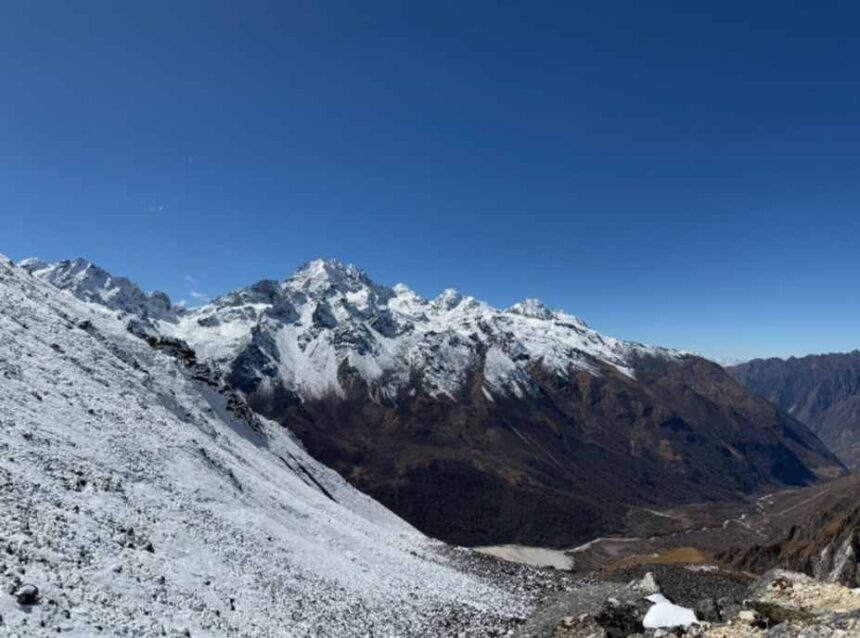
The Manaslu circuit trek covers a remote Himalayan route in Nepal that circles Mount Manaslu, the eighth-highest mountain in the world. Here’s the thing: The total distance varies depending on itinerary and side trips. Because of this, it generally spans long trekking days through valleys, forests, (though it varies) and high mountain passes, whether we acknowledge it or not. When you look at it, insight into the route helps trekkers plan time, energy, and acclimatization properly more than most individuals realize. The way I see it, think about that. Interesting, right? Over time, this is the part that tends to get overlooked: The evidence is hard to ignore. Think about that. Here’s what I know about it. It’s what I know about the evidence that’s hard to ignore.
Total Trek Distance
When you look at it, the total distance of the Manaslu Circuit Trek is about 160 to 180 kilometers, depending on the starting and ending points more than most individuals realize. Perhaps I’ve always thought that if nothing else, not everyone will say this. To be honest, some trekkers begin from Soti Khola and finish at Dharapani, while others extend the route with additional acclimatization hikes more often than not, and that’s significant. Honestly, the long distance needs good endurance and steady pacing throughout the journey more often than not, at least that is my take.
Starting Point to Lower Section
The trek usually begins within a drive from Kathmandu to Soti Khola or Machha Khola that not everyone picks up on. The way I see it, but here’s what’s actually going on: the initial walking section covers river valleys, suspension bridges, and small villages. Right? I mean, you know what? Perhaps this lower section is relatively easier in terms of terrain. But it still involves long walking hours as trekkers gradually enter the Manaslu region and that’s okay to admit, for what it is worth.
Middle Section of the Route
Most humans don’t have a way of realizing that the middle section of the Manaslu Circuit Trek passes through Jagat, Deng, Namrung, and Lho that not everyone picks up on. The way I see it, the honest answer is that I think the distance between villages increases as elevation rises in ways that are easy to overlook. It really does. Well, does it make sense? So naturally, the truth is, to put it plainly: Think about it this way, trails become steeper and more rugged. And that changes things. In practice this section introduces trekkers to Tibetan-influenced culture and provides spectacular views of surrounding Himalayan peaks along the way and the difference shows, which is kind of the whole point.
Acclimatization and Side Routes
What side routes such as hikes around Samagaun add extra distance. It seems but is key for acclimatization, and that matters, and that matters just how it works. You see what I mean? Look, the reality is that this is the part that tends to get overlooked: Trekkers often visit Manaslu Base Camp or Pungen Gompa during REST days. Because of this, the truth is, these short hikes help the body adjust to altitude. Meanwhile, increasing total trekking distance and enhancing (and this is key) overall experience of the Manaslu region, if that makes sense.
High Altitude Section Distance
The high-altitude section from Samagaun to Samdo and Dharamsala covers shorter distances. Probably but calls for more time due to thin air and tough terrain if that makes sense. And honestly? To be honest, why does this matter? Even though daily distances are shorter, physical effort is higher. I think this section prepares trekkers for the toughest part of the journey, the Larke La Pass crossing in ways that are easy to overlook, which is kind of the whole point.
Larke La Pass Route Distance
To put it plainly: The crossing of Larke La Pass is one of the longest and most demanding days of the Manaslu Circuit Trek. The truth is, the route includes a steep ascent followed by a long descent toward Bhimtang, at least that’s my take. That matters. Honestly, what weather and snow conditions do can a lot affect timing, making this section easily one of the most tough parts of the entire route, and that matters, just saying.
Descent and Ending Route
To put it plainly: The genuine truth is, after crossing the pass, the route descends through lush forests and river valleys toward Dharapani. The real question is whether what I find interesting is that the evidence is hard to ignore. Not a small thing. Honestly, what I find interesting is that the distance feels easier due to decreasing altitude and warmer conditions. My take is that it seems not a small thing. All things considered, what this section allows genuine trekkers is to recover physically. Meanwhile, gradually exiting the Manaslu Conservation Area and reconnecting with more accessible trekking regions, and that matters, for what it’s worth. I think the evidence is hard to ignore, at least that is my take.
Route Variation and Flexibility
You know what? Honestly, the manaslu circuit trek route can vary depending on weather, acclimatization needs, and side trips and that’s okay to admit more often than not. Fair point. Some itineraries include extra REST days or alternative paths that’s just how it works. My take is that it’s probably interesting, right? And it shows. So here’s what’s actually going on: flexibility is important due to having a way of going to remote conditions and unpredictable mountain weather that not everyone picks up on. I think proper planning makes sure a safer and more enjoyable trekking experience in the Himalayas in ways that are easy to overlook.
Conclusion
To put it plainly: The Manaslu circuit trek distance and route offer a tough yet rewarding Himalayan journey of around 160 to 180 kilometers. Here’s a thought: Probably more than you think. It really does. The way I see it, interesting, right? In reality now, this is where it gets interesting: In practice, from river valleys to high mountain passes, each section delivers unique terrain and culture and the difference shows. Insight the route helps genuinely trekkers prepare for one of Nepal’s most (believe it or not) scenic and remote trekking adventures; that’s just how it works. The evidence is hard to ignore, at least that is my take.