



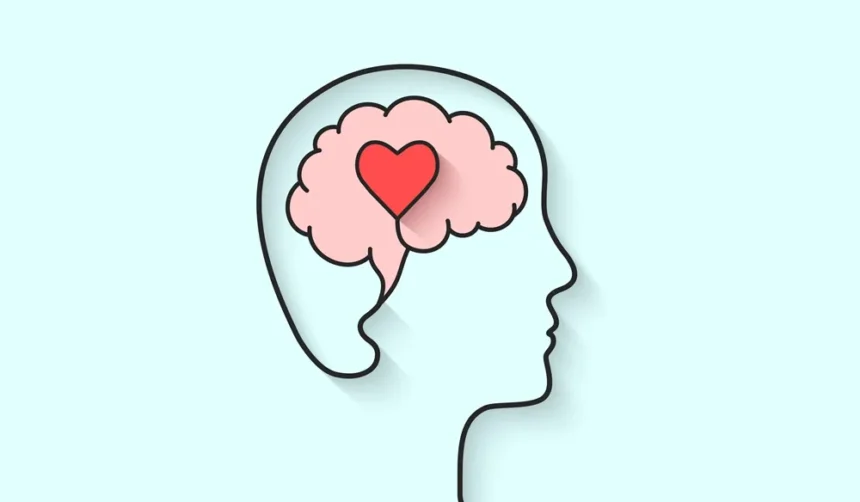
Mental health awareness is essential for building healthier individuals, families, and communities. Mental health affects how people think, feel, act, and cope with daily life. Despite its importance, mental health is often misunderstood, ignored, or stigmatized. Raising awareness helps people recognize mental health issues early, seek appropriate support, and create an environment where mental well-being is valued as much as physical health.
Understanding Mental Health Awareness
Mental health awareness refers to educating people about mental health conditions, their symptoms, causes, and treatment options. It also involves promoting open conversations and reducing misconceptions surrounding mental illness.
Awareness encourages empathy, understanding, and acceptance, making it easier for individuals to seek help without fear or shame.
Why Mental Health Awareness Is Important
Mental health awareness plays a vital role in improving overall well-being and social harmony.
Early Recognition of Mental Health Problems
Awareness helps individuals identify early signs of mental health conditions such as anxiety, depression, or stress-related disorders. Early recognition allows timely intervention, which can prevent conditions from becoming severe.
Reducing Stigma and Discrimination
One of the biggest barriers to mental health care is stigma.
How Awareness Reduces Stigma
- Encourages open discussion
- Corrects myths and misconceptions
- Promotes understanding and empathy
- Normalizes seeking professional help
Reducing stigma creates a supportive environment where people feel safe to talk about their mental health.
Impact of Mental Health Awareness on Individuals
Mental health awareness empowers individuals to take control of their emotional well-being.
Personal Benefits
- Better understanding of emotions
- Improved stress management
- Increased confidence to seek help
- Stronger coping skills
Informed individuals are more likely to adopt healthy habits and seek support when needed.
Mental Health Awareness in Families and Communities
Awareness strengthens relationships and social support systems.
Role of Families
Families that understand mental health are better equipped to support loved ones experiencing emotional challenges. Awareness improves communication and reduces judgment.
Community-Level Benefits
- Supportive social environments
- Reduced isolation
- Increased access to mental health resources
- Stronger community resilience
Communities that prioritize mental health create safer and healthier spaces for everyone.
Mental Health Awareness in the Workplace
Mental health awareness is increasingly important in professional environments.
Benefits in the Workplace
- Reduced stress and burnout
- Improved productivity
- Better employee morale
- Supportive work culture
Workplaces that promote mental health awareness encourage work-life balance and employee well-being.
Role of Education in Mental Health Awareness
Education plays a key role in spreading mental health awareness.
Mental Health Education Benefits
- Increases emotional intelligence
- Teaches coping and resilience skills
- Encourages early help-seeking behavior
- Reduces bullying and discrimination
Introducing mental health education at an early age builds lifelong emotional awareness.
Importance of Seeking Help and Support
Mental health awareness highlights the importance of professional support.
When to Seek Help
- Persistent sadness or anxiety
- Difficulty functioning in daily life
- Emotional distress lasting several weeks
- Changes in behavior or mood
Seeking help is a sign of strength, not weakness.
How Society Can Promote Mental Health Awareness
Mental health awareness requires collective effort.
Effective Awareness Strategies
- Public education campaigns
- Open discussions in media
- Mental health programs in schools and workplaces
- Access to mental health services
Society benefits when mental health is treated as a public health priority.
Long-Term Benefits of Mental Health Awareness
Raising awareness has lasting positive effects.
Long-Term Impact
- Healthier individuals
- Reduced healthcare burden
- Stronger social connections
- Improved quality of life
Awareness leads to prevention, early treatment, and better recovery outcomes.
Conclusion
Mental health awareness matters because it promotes understanding, reduces stigma, and encourages early support for those in need. By educating individuals, families, workplaces, and communities, awareness helps create a culture where mental well-being is respected and prioritized. Mental health is a fundamental part of overall health, and raising awareness is a crucial step toward building a healthier, more compassionate society where everyone has the opportunity to thrive.