



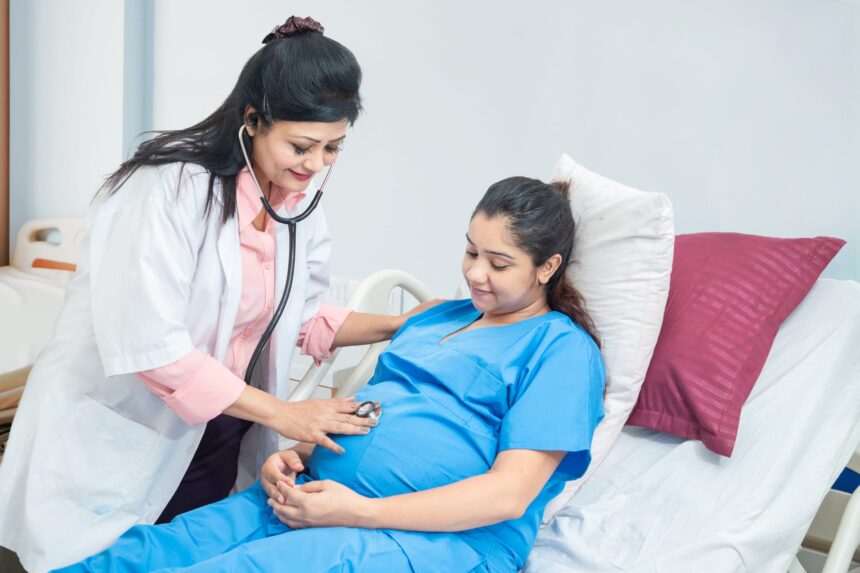
Pregnancy and the postpartum period are two of the most important and transformative stages in a woman’s life. During this time, a woman’s body undergoes significant physical, hormonal, and emotional changes to support the growth of a baby and recovery after childbirth. Prioritizing women’s health during pregnancy and postpartum is essential for the well-being of both mother and child, as well as for long-term physical and mental health.
Understanding Women’s Health During Pregnancy
Pregnancy is a complex biological process that affects nearly every system in the body. Proper care during this period supports healthy fetal development and reduces the risk of complications.
Physical Changes During Pregnancy
Pregnancy brings many physical changes, including:
- Weight gain
- Hormonal fluctuations
- Changes in posture and balance
- Increased blood volume
- Fatigue and body aches
These changes are normal but require proper monitoring and care.
Importance of Prenatal Care
Prenatal care is critical for maintaining maternal and fetal health.
Benefits of Regular Prenatal Checkups
- Monitoring baby’s growth and development
- Detecting potential complications early
- Managing pregnancy-related conditions
- Providing guidance on nutrition and lifestyle
Regular prenatal visits help ensure a safe and healthy pregnancy.
Nutrition and Pregnancy Health
Proper nutrition supports the increased demands of pregnancy.
Key Nutrients During Pregnancy
- Protein for tissue growth and repair
- Iron to prevent anemia
- Folic acid to reduce the risk of birth defects
- Calcium for bone development
- Healthy fats for brain development
A balanced and nutrient-rich diet supports both mother and baby.
Physical Activity and Exercise During Pregnancy
Safe physical activity benefits pregnant women.
Benefits of Exercise During Pregnancy
- Improves circulation
- Reduces back pain
- Helps manage weight gain
- Improves mood and energy levels
- Prepares the body for childbirth
Low-impact exercises such as walking, stretching, and prenatal yoga are generally recommended.
Mental and Emotional Health During Pregnancy
Pregnancy can bring emotional changes due to hormonal shifts and life adjustments.
Common Emotional Challenges
- Mood swings
- Anxiety about childbirth
- Stress related to lifestyle changes
Emotional support, open communication, and relaxation techniques play an important role in mental well-being.
Understanding Postpartum Health
The postpartum period begins after childbirth and typically lasts several weeks to months. This is a time of recovery and adjustment.
Physical Changes After Childbirth
Postpartum physical changes may include:
- Uterine contraction and healing
- Vaginal soreness or surgical recovery
- Hormonal changes
- Fatigue and sleep disruption
Proper rest and medical follow-up support recovery.
Importance of Postpartum Care
Postpartum care focuses on both physical and emotional recovery.
Key Aspects of Postpartum Care
- Monitoring healing and recovery
- Managing postpartum pain
- Supporting breastfeeding
- Addressing emotional well-being
Regular postpartum checkups help identify and manage potential concerns.
Postpartum Mental Health
Mental health is a crucial part of postpartum care.
Common Postpartum Mental Health Conditions
- Baby blues
- Postpartum depression
- Postpartum anxiety
Persistent sadness, emotional distress, or difficulty bonding with the baby should be addressed with professional support.
Nutrition During the Postpartum Period
Postpartum nutrition supports healing and energy needs.
Nutrition Tips for Postpartum Health
- Eat nutrient-dense foods
- Stay hydrated
- Include adequate protein and iron
- Support breastfeeding with balanced meals
Good nutrition aids recovery and supports milk production.
Physical Recovery and Exercise After Childbirth
Gradual physical activity helps restore strength.
Benefits of Postpartum Exercise
- Improves muscle tone
- Supports pelvic floor recovery
- Enhances mood
- Increases energy levels
Exercise should be resumed gradually with medical guidance.
Sleep and Rest for New Mothers
Sleep deprivation is common during the postpartum period.
Importance of Rest
- Supports physical healing
- Improves emotional stability
- Boosts immune function
Resting when possible and seeking help with childcare can reduce exhaustion.
Role of Family and Social Support
Support systems play a vital role during pregnancy and postpartum.
How Support Helps
- Reduces stress
- Provides emotional reassurance
- Assists with daily tasks
- Improves mental health outcomes
Strong support contributes to healthier mothers and families.
Long-Term Health After Pregnancy
Pregnancy and postpartum experiences can influence long-term health.
Focus on Long-Term Wellness
- Maintain regular health checkups
- Adopt healthy lifestyle habits
- Monitor mental health
- Address lingering physical concerns
Prioritizing self-care helps women stay healthy beyond childbirth.
Conclusion
Women’s health during pregnancy and postpartum is essential for both immediate and long-term well-being. From proper nutrition and prenatal care to emotional support and postpartum recovery, each stage requires attention, care, and understanding. By prioritizing physical health, mental well-being, and social support, women can navigate pregnancy and the postpartum period more confidently and safely. Comprehensive care during these stages not only supports healthy motherhood but also lays the foundation for lifelong health and wellness.