



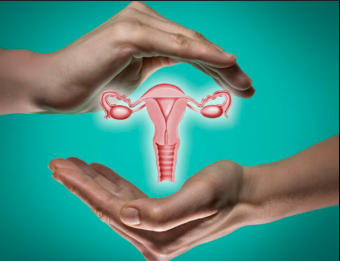
Reproductive health is a vital part of overall well-being for women at every stage of life. It involves the health of the reproductive system, the ability to make informed choices about reproduction, and access to appropriate healthcare services. Understanding reproductive health empowers women to take control of their bodies, prevent health problems, and maintain physical and emotional balance throughout life.
Understanding Reproductive Health
Reproductive health refers to the complete physical, mental, and social well-being related to the reproductive system. It is not limited to the absence of disease but includes the right to safe, informed, and respectful healthcare.
Why Reproductive Health Matters
- Supports overall physical health
- Promotes hormonal balance
- Enables informed family planning
- Prevents reproductive disorders
- Enhances quality of life
Good reproductive health allows women to lead healthier and more confident lives.
Female Reproductive System Overview
The female reproductive system includes organs that support menstruation, fertility, pregnancy, and childbirth.
Key Components
- Ovaries
- Fallopian tubes
- Uterus
- Cervix
- Vagina
Each organ plays a crucial role in reproductive and hormonal functions.
Menstrual Health and Hygiene
Menstrual health is a core aspect of reproductive health.
Understanding the Menstrual Cycle
The menstrual cycle prepares the body for pregnancy and typically lasts between 21 and 35 days.
Common Menstrual Issues
- Irregular periods
- Painful menstruation
- Heavy bleeding
- Premenstrual symptoms
Monitoring menstrual patterns helps detect potential health concerns early.
Importance of Menstrual Hygiene
Proper hygiene during menstruation prevents infections and discomfort.
Hygiene Practices
- Regularly changing sanitary products
- Maintaining cleanliness
- Using safe and comfortable menstrual products
Good hygiene supports reproductive and overall health.
Hormonal Balance and Reproductive Health
Hormones regulate many reproductive functions, including ovulation and menstruation.
Effects of Hormonal Imbalance
- Irregular periods
- Mood changes
- Fatigue
- Weight fluctuations
Balanced nutrition, stress management, and medical care help maintain hormonal health.
Fertility and Family Planning
Understanding fertility enables women to make informed reproductive choices.
Fertility Awareness
Fertility awareness involves understanding ovulation, fertile windows, and cycle tracking.
Benefits
- Supports family planning
- Helps identify fertility issues
- Encourages body awareness
Family Planning Options
Family planning allows women to decide if and when to have children.
Common Options
- Natural methods
- Barrier methods
- Hormonal methods
- Medical guidance-based planning
Access to accurate information ensures safe and effective decision-making.
Sexual Health and Safety
Sexual health is an integral part of reproductive health.
Key Aspects of Sexual Health
- Safe sexual practices
- Protection from infections
- Open communication with partners
- Regular health checkups
Sexual health promotes confidence, safety, and emotional well-being.
Prevention of Reproductive Health Issues
Preventive care helps detect and manage reproductive health conditions early.
Common Preventive Measures
- Regular gynecological exams
- Cervical health screenings
- Breast health awareness
- Infection prevention
Early prevention reduces the risk of serious complications.
Reproductive Health During Different Life Stages
Adolescence
Adolescence is marked by physical and hormonal changes.
Key Focus Areas
- Menstrual education
- Hygiene practices
- Emotional support
Reproductive Years
During reproductive years, fertility, contraception, and pregnancy planning are important.
Health Priorities
- Regular health checkups
- Balanced nutrition
- Stress management
Menopause
Menopause marks the end of reproductive years.
Common Changes
- Hormonal fluctuations
- Irregular periods
- Hot flashes
Proper care supports comfort and long-term health during this stage.
Nutrition and Lifestyle for Reproductive Health
Healthy lifestyle choices strongly influence reproductive well-being.
Nutrition Tips
- Eat a balanced diet
- Include iron, calcium, and healthy fats
- Stay hydrated
Lifestyle Habits
- Regular physical activity
- Adequate sleep
- Stress management
Healthy habits support hormonal and reproductive balance.
Mental and Emotional Well-Being
Reproductive health is closely connected to mental health.
Emotional Health Considerations
- Stress management
- Emotional support
- Open communication
Emotional well-being improves overall reproductive health outcomes.
When to Seek Medical Advice
Prompt medical attention helps prevent complications.
Signs That Require Medical Attention
- Severe menstrual pain
- Irregular or missed periods
- Unusual discharge
- Pelvic pain
- Fertility concerns
Early consultation leads to better treatment outcomes.
Importance of Education and Awareness
Knowledge empowers women to make informed health decisions.
Benefits of Reproductive Health Education
- Reduces myths and stigma
- Encourages preventive care
- Improves health outcomes
Awareness supports lifelong reproductive wellness.
Conclusion
Reproductive health is an essential aspect of women’s overall well-being, affecting physical health, emotional balance, and quality of life. By understanding the reproductive system, maintaining menstrual and sexual health, practicing preventive care, and adopting healthy lifestyle habits, women can protect their reproductive health at every stage of life. Education, awareness, and timely medical care empower women to make informed decisions, ensuring healthier futures for themselves and their families.