



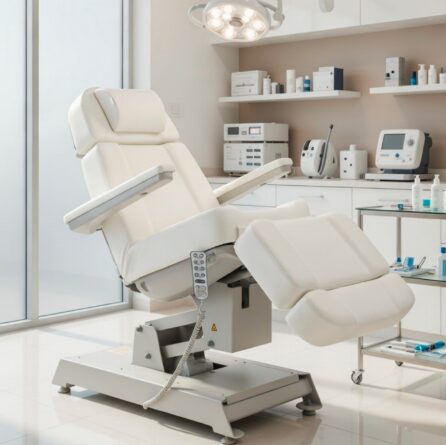
Aesthetic medicine has shifted considerably in recent years, with leading clinics blending clinical precision and a calming visitor experience under one roof. The furniture inside treatment rooms now plays a quiet but vital role in shaping that overall impression. Patients tend to notice the chair before they notice the procedure. Comfort and clinical care travel together throughout each visit.
A trusted derma chair manufacturer can shape how a clinic delivers everything from chemical peels to laser sessions, since the right chair improves both clinician control and patient ease across every appointment. Owners who invest carefully in seating tend to see fewer complaints, faster turnaround, and a refined treatment flow that supports steady growth across services offered.
Where Sterile Precision Meets Soothing Atmosphere
Designing Rooms That Lower Patient Anxiety: Dermatology visits often involve nervousness about appearance and outcomes, which means the treatment chair shapes first impressions more deeply than many owners realise. Soft contouring, quiet motors, and a polished finish suggest competence well before any procedure begins. Clinics that recognise this tend to retain patients longer and earn warmer referrals.
Pairing Hygiene Standards With Tactile Warmth: Sterility matters in any skin clinic, yet rigid plastic seating can feel cold and unwelcoming on arrival. Modern upholstery options now resist strong disinfectants while staying soft to the touch. This balance lets clinic owners maintain strict hygiene protocols without giving up the calming sensory feel patients quietly expect.
Lighting and Spatial Flow Around the Chair: The treatment chair anchors the room visually, so its proportions and finish influence how lighting, trolleys, and consult areas come together. A well-judged chair fits the surrounding layout without crowding the workspace. Thoughtful spatial planning around it improves staff movement and patient flow between consultation and active procedure.
Why Ordinary Seating Lets Skin Specialists Down
Limits of Static Seating During Detailed Work: Standard examination seating rarely allows the precise tilt or height needed for facial treatments, mole checks, or fine injectables. Practitioners end up adjusting their own posture instead, which leads to neck strain and slower work. Over time, this pattern affects both staff retention and treatment quality across the clinic.
Posture Strain That Drains Daily Output: Dermatologists spend hours leaning over patients, often in awkward positions throughout the day. Without proper ergonomic design built into the chair, fatigue arrives early in the shift. Tired hands make less confident decisions, and small tremors can affect injectable accuracy. Smart furniture choices protect both clinician health and clinic reputation.
The Real Bill That Bargain Chairs Send: Lower-priced chairs may look acceptable in a brochure, yet wear shows quickly under daily clinical use. Cracked upholstery, jammed motors, and unstable bases force early replacement, often within two or three years. The real spend ends up higher than the cost of a quality chair bought correctly the first time.
Adjustability That Quietly Lifts Procedure Quality
Fine Positioning for Delicate Cosmetic Work: Electronic tilt, programmable presets, and smooth height transitions let practitioners settle the patient at the exact angle each procedure needs. This precision matters during laser hair removal, mesotherapy, and chemical resurfacing. Repeatable positioning also shortens treatment time, helping clinics handle more bookings without rushing any single appointment scheduled.
Surfaces That Support Strict Infection Control: Clinics dealing with multiple patients per hour need surfaces that hold up to constant cleaning between sessions. Durable upholstery built around infection control principles resists tearing, staining, and chemical wear. Quick wipe-downs keep schedules tight while protecting patients from cross-contamination risks common in busy treatment environments today.
Features That Pay Back Across Years: Clinic owners weighing different chair models tend to look for specific functional traits that protect long-term value. The points below reflect what most aesthetic practices prioritise when choosing a dependable treatment chair for everyday clinical use, especially in centres handling diverse procedures and varied patient profiles each week.
- Smooth motorised height and backrest control suited to varied procedure angles.
- Memory presets that recall each practitioner’s preferred working position.
- Upholstery rated to handle medical-grade disinfectants without fading or cracking.
- Reinforced steel frames built to support years of constant adjustment cycles.
- Low access height settings that help elderly or mobility-limited patients sit safely.
- Foot-switch or handset controls that keep clinician hands free during procedures.
Choosing Furniture That Grows With Your Practice
Forward-Looking Designs for Expanding Service Menus: Aesthetic clinics rarely stay still. Practices that begin with basic facials often add laser systems, injectables, or minor surgical work within a few years of opening. Treatment chairs with broad adjustability and multiple positioning modes can keep pace with this expansion, sparing owners costly furniture replacement during growth phases.
Warranty and Service Networks That Reduce Downtime: A chair that breaks during a packed afternoon can cost a clinic real revenue. Reliable manufacturers offer prompt service support and replacement parts across major cities. Owners who check after-sales coverage before purchase usually avoid the painful gap between equipment failure and timely repair during peak demand periods.
Staff Comfort Shapes Long-Term Clinic Output: Practitioners who finish each day without back pain stay longer, perform better, and bring sharper focus to every appointment they handle. Furniture that supports natural body mechanics protects the team’s most valuable asset, which is consistent precision across years of repetitive work performed in tight treatment quarters daily.
Stepping Into a Smarter Treatment Room
Choosing the right dermatology chair shapes patient experience, clinical output, and the daily comfort of every practitioner. The best clinics know that furniture decisions today quietly compound into reputation and revenue tomorrow. Reach out to a specialised medical furniture supplier to explore chair options built for serious aesthetic work and start upgrading your treatment rooms now.