



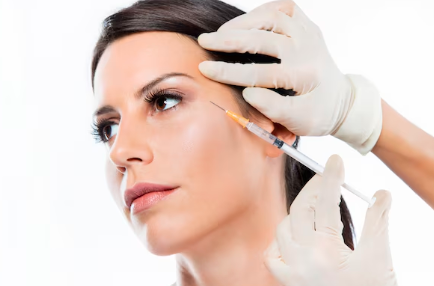
People look at cosmetic treatments very differently now. A few years ago, many patients wanted dramatic changes that stood out right away. Bigger lips, tighter skin, frozen foreheads. That trend still exists in some places, though the conversation has shifted. More people now want subtle improvements that make them look rested instead of altered. They want friends to notice they look healthier, not to ask what procedure they had.
The rise of Botox in London searches says a lot about that shift. Patients are spending more time researching providers, reading reviews, and learning how treatments work before booking appointments. Many do not want a face that feels stiff or overdone. They want movement. They want expression. A smoother forehead matters, though keeping natural facial reactions matters too. That balance has become a major reason cosmetic clinics continue to attract new patients across London.
Many people also search for Define Clinic because patients seem more cautious today than they were before. Social media plays a role in that behavior. People see celebrity treatment results every day, both good and bad. Some results appear polished and natural. Others look swollen or artificial. That contrast changes how people choose cosmetic providers. Patients now ask more questions about facial anatomy, injector experience, and long-term treatment plans before agreeing to anything.
Why “Natural” Has Become the Goal
A natural result sounds simple, though it takes skill to achieve. Cosmetic injectables can soften lines and refresh the face, but too much product often creates the opposite effect. People notice that quickly. In some cases, patients begin to look tired even after treatment because their facial movement no longer feels balanced.
That concern has changed patient priorities.
Many patients now ask for:
- Softer forehead lines
- Gentle jawline contouring
- Mild lip enhancement
- Reduced frown lines
- Better skin texture without an artificial appearance
Small adjustments often create stronger results than aggressive treatment plans. That idea surprises many first-time patients. They assume more product means better results. In reality, careful placement usually matters more.
Social Media Changed Expectations
Instagram and TikTok pushed cosmetic procedures into everyday conversation. Treatments that once felt private now appear openly online. Clinics post before-and-after photos daily. Influencers discuss appointments casually. Some viewers become curious. Others become nervous after seeing exaggerated results.
That mixed reaction has shaped current beauty standards.
People still want smoother skin and facial balance. They just do not want obvious cosmetic work. Many patients now bring in reference photos featuring natural-looking celebrities rather than heavily filtered images. That difference matters because expectations shape treatment outcomes.
There is also growing awareness around facial proportions. Patients read about collagen loss, muscle movement, and skin elasticity before consultations. A few years ago, many people barely understood what neurotoxins actually did. Now they arrive with detailed questions. That shift has completely changed the consultation process.
Patients Want Preventive Care Earlier
Another noticeable change involves age groups. Cosmetic clinics now see younger adults seeking preventive treatments before deeper wrinkles appear. Some people begin treatment in their late twenties or early thirties to reduce repetitive facial movement that causes static lines over time.
The thinking behind it feels practical to many patients.
Instead of waiting until wrinkles become severe, they prefer smaller treatments spaced gradually across the years. Some skincare professionals compare this approach to maintaining healthy teeth before cavities develop. The comparison is not perfect, though patients understand the logic behind it.
A few common preventive approaches include:
| Concern | Common Approach |
| Fine forehead lines | Light neurotoxin injections |
| Crow’s feet | Targeted muscle relaxation |
| Skin texture changes | Microneedling sessions |
| Volume loss | Conservative dermal filler use |
Many patients combine injectables with skin-focused treatments rather than relying on a single procedure.
Consultation Quality Matters More Than Ever
Patients no longer book treatments blindly. They pay attention to the quality of consultations because poor cosmetic work can remain visible for months. A rushed appointment often raises concerns immediately. People want providers who explain risks, expected outcomes, and limitations honestly.
That honesty builds trust.
Good practitioners also know when to say no. Some faces do not need more filler. Some wrinkles should still move naturally. A skilled injector studies facial structure carefully before recommending treatment. That process may involve discussing muscle movement, skin thickness, or even lifestyle habits affecting skin health.
Terms like facial symmetry and skin elasticity appear more often during consultations now. Patients who understand these concepts usually make calmer decisions because they recognise that cosmetic treatment works gradually, not magically.
Men Are Entering Cosmetic Clinics Too
Men now represent a growing part of the cosmetic treatment market. That trend surprises some people, though it makes sense. Workplace pressure, video calls, and social media exposure affect men too. Many want to look less tired or stressed without appearing “treated.”
Most male patients request conservative changes.
They often focus on:
- Frown lines
- Under-eye appearance
- Jawline structure
- Skin quality
- Excess sweating treatment
Subtle work tends to appeal more strongly to male patients because dramatic changes may feel uncomfortable or obvious in professional settings. Many simply want to look refreshed during meetings or client interactions.
The Fear of Looking “Fake” Drives Better Decisions
Ironically, fear has improved cosmetic treatment choices. Patients worry about looking artificial, so they research clinics more carefully than before. They compare credentials, examine before-and-after galleries, and read long-form reviews rather than relying solely on advertisements.
That caution pushes clinics to improve standards.
Patients also understand that trends change quickly. Large lips or exaggerated facial contouring may lose popularity over time. Natural-looking work usually ages better because it follows natural facial proportions rather than chasing temporary trends.
Some practitioners now prefer gradual treatment plans spread across several appointments. Patients sometimes feel impatient at first. Then they notice the results look softer and more believable. That usually changes their perspective.
Why the Demand Keeps Growing
Cosmetic treatments no longer appeal only to celebrities or wealthy clients. Many working professionals now view subtle cosmetic care similarly to skincare or hair maintenance. The stigma has faded in many social settings.
At the same time, patients appear more informed than ever before.
They understand that:
- Injector skill affects outcomes
- Conservative treatment often looks better
- Facial balance matters more than volume
- Healthy skin supports better cosmetic results
- Long-term planning reduces unnatural changes
That growing awareness explains why natural-looking cosmetic work continues gaining attention across London clinics.
The demand probably will not slow down anytime soon. People still want to feel attractive and confident. That part has not changed. What changed is the goal itself. Patients no longer chase dramatic alterations as often. They want treatments that fit their face, preserve movement, and help them still look like themselves after leaving the clinic.