


Wisdom teeth removal is one of the most common oral surgery procedures performed today. While some people never experience problems with their wisdom teeth, many others develop issues that require professional treatment. When wisdom teeth become impacted, grow at an angle, or cause crowding, removal is often the best way to protect long-term oral health.
Understanding why wisdom teeth are removed, what to expect during the procedure, and how recovery works can help patients feel more confident about the process. Whether you are experiencing discomfort or your dentist has recommended extraction as a preventive measure, learning more about wisdom teeth removal can help you make informed decisions about your dental care.
What Are Wisdom Teeth?
Wisdom teeth are the third set of molars that typically emerge between the ages of 17 and 25. They are located at the very back of the mouth, with two on the upper jaw and two on the lower jaw.
Thousands of years ago, wisdom teeth played an important role in helping people chew tougher foods. However, modern diets and changes in jaw size have made these extra molars largely unnecessary. As a result, many people simply do not have enough room in their mouths for wisdom teeth to erupt properly.
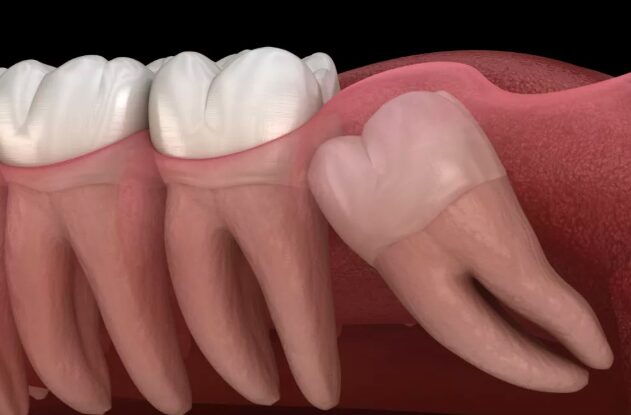
When there is insufficient space, wisdom teeth can become impacted or partially erupted, leading to various dental problems.
Why Wisdom Teeth Removal Is Often Necessary
Not every wisdom tooth requires extraction. Some individuals have enough space in their jaw for wisdom teeth to emerge normally and function without issues.
However, wisdom teeth removal is commonly recommended when the teeth:
- Become impacted beneath the gums
- Grow sideways or at an angle
- Cause crowding of nearby teeth
- Lead to pain or discomfort
- Increase the risk of infection
- Create cysts or damage surrounding structures
- Contribute to gum disease
- Cause tooth decay in neighboring teeth
Removing problematic wisdom teeth early often prevents more serious complications later in life.
Signs You May Need Wisdom Teeth Removal
Several symptoms may indicate that wisdom teeth are causing problems. These signs should be evaluated by a dental professional as soon as possible.
Common symptoms include:
Persistent Jaw Pain
Pain in the back of the mouth or jaw is one of the most common indicators that wisdom teeth are creating pressure on surrounding teeth and tissues.
Swollen or Tender Gums
Impacted wisdom teeth can irritate the gums, causing swelling, redness, and tenderness.
Difficulty Opening Your Mouth
Inflammation around impacted teeth can make normal jaw movement uncomfortable.
Frequent Infections
Partially erupted wisdom teeth often trap food particles and bacteria, increasing the risk of infection.
Bad Breath
Chronic bacterial buildup around wisdom teeth may contribute to persistent bad breath and unpleasant tastes.
If you experience any of these symptoms, scheduling an evaluation can help determine whether wisdom teeth removal is necessary.
What Happens During Wisdom Teeth Removal?
The wisdom teeth removal procedure varies depending on the position and condition of the teeth.
For teeth that have fully erupted, extraction may be relatively straightforward. Impacted teeth often require a more involved surgical procedure.
The process generally includes:
Initial Examination
Your oral surgeon will perform a comprehensive evaluation, including digital X-rays, to assess the position of your wisdom teeth and surrounding structures.
Anesthesia or Sedation
To ensure comfort during the procedure, patients may receive:
- Local anesthesia
- IV sedation
- General anesthesia
The type of anesthesia depends on the complexity of the extraction and patient preferences.
Tooth Removal
The oral surgeon carefully removes the wisdom teeth while minimizing disruption to nearby tissues. In some cases, the tooth may be divided into smaller sections to facilitate removal.
Closure and Recovery
After extraction, the surgical area may be closed with dissolvable sutures, and recovery instructions are provided.
Recovery After Wisdom Teeth Removal
Most patients recover within a few days to two weeks, depending on the complexity of the procedure.
The First 24 Hours
During the initial recovery period, patients should:
- Rest as much as possible
- Keep gauze in place as directed
- Avoid strenuous activity
- Use ice packs to reduce swelling
Managing Discomfort
Mild discomfort and swelling are normal following wisdom teeth removal. Prescribed or over-the-counter medications can help manage symptoms effectively.
Diet Recommendations
Soft foods are recommended during the first few days, including:
- Yogurt
- Applesauce
- Smoothies
- Mashed potatoes
- Soup
- Scrambled eggs
Avoid crunchy, spicy, or hard foods until healing progresses.
Oral Hygiene
Maintaining oral hygiene is important, but patients should avoid disturbing the extraction sites while brushing and rinsing.
Potential Benefits of Early Wisdom Teeth Removal
Many dental professionals recommend removing problematic wisdom teeth before serious issues develop.
Benefits of early treatment include:
- Reduced risk of infection
- Easier recovery
- Prevention of tooth crowding
- Protection of surrounding teeth
- Lower likelihood of cyst formation
- Improved long-term oral health
Younger patients often heal more quickly and experience fewer complications compared to older adults.
How Wisdom Teeth Removal Fits Into Overall Oral Health
Maintaining healthy teeth and gums often involves addressing problems before they worsen. Wisdom teeth removal is one example of preventive oral care that can protect the rest of your smile.
Many patients who undergo wisdom teeth extraction later pursue additional restorative treatments to improve oral function and appearance.
For example, individuals with extensive tooth loss may eventually explore advanced implant options such as teeth in a day procedures.
Teeth in a Day and Modern Dental Solutions
While wisdom teeth removal focuses on preventing future complications, restorative procedures like teeth in a day help patients replace missing teeth efficiently.
Teeth in a day allows qualified patients to receive dental implants and functional replacement teeth during a single treatment appointment. This innovative approach reduces treatment time and helps restore confidence more quickly.
Patients who have experienced significant dental problems throughout life often appreciate the convenience and effectiveness of this modern solution.
Hybrid Teeth for Full-Arch Restoration
Another advanced treatment available in modern dentistry is hybrid teeth.
Hybrid teeth combine implant technology with a custom-designed prosthetic arch to create a stable and natural-looking smile. Unlike removable dentures, hybrid teeth remain securely attached to implants.
Benefits include:
- Improved chewing ability
- Greater stability
- Enhanced comfort
- Natural appearance
- Long-term durability
Patients who have lost multiple teeth often find hybrid teeth to be a life-changing solution.
Understanding Fixated Teeth
Many patients seeking permanent smile restoration choose fixated teeth because of their stability and functionality.
Fixated teeth are securely attached to dental implants and cannot be removed by the patient. This creates a strong, dependable solution that closely mimics natural teeth.
Advantages of fixated teeth include:
- Reliable performance
- Increased confidence
- Better speech
- Comfortable eating experience
- Minimal maintenance
For individuals seeking a permanent restoration option, fixated teeth often provide excellent long-term results.
Zygomatic Implants for Complex Cases
Some patients experience severe bone loss that prevents traditional implant placement. In these situations, zygomatic implants may provide an effective alternative.
Unlike conventional implants that anchor into the upper jawbone, zygomatic implants are secured in the cheekbone, which typically offers greater bone density.
Benefits of zygomatic implants include:
- Reduced need for bone grafting
- Faster treatment options
- Greater stability
- Expanded eligibility for implant treatment
For patients with advanced dental challenges, zygomatic implants can create opportunities that were once unavailable.
Conclusion
Wisdom teeth removal is a common and highly effective procedure that helps prevent pain, infection, crowding, and other oral health complications. By addressing problematic wisdom teeth early, patients can protect their smile and avoid more serious issues in the future.
Modern oral surgery continues to evolve, offering advanced solutions for a wide range of dental needs. From wisdom teeth removal to innovative treatments such as teeth in a day, hybrid teeth, fixated teeth, and zygomatic implants, today’s patients have access to more effective treatment options than ever before.
If you are experiencing discomfort from wisdom teeth or have been advised to consider extraction, consulting with an experienced oral surgeon can help you take the next step toward a healthier, more comfortable smile.