



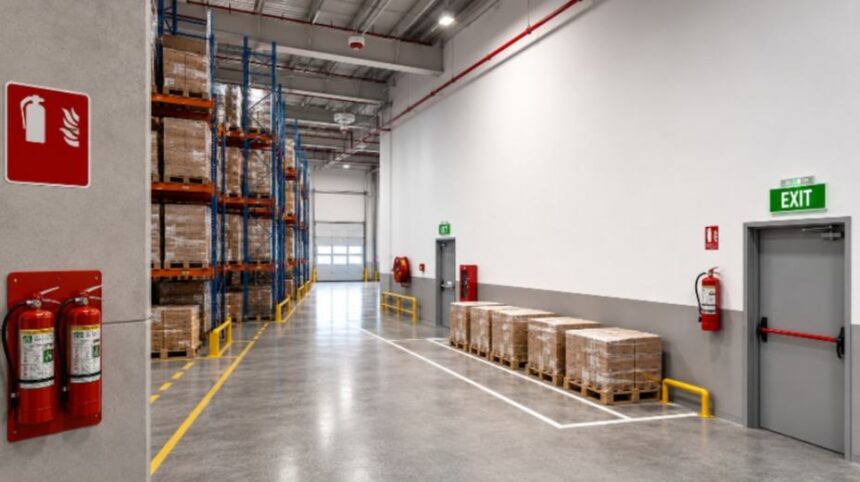
Fire safety planning works best when it focuses on practical actions that reduce risk before an incident occurs. For warehouse managers, the challenge is balancing safety improvements with daily operations, staffing demands, and inventory movement. The good news is that many of the most effective fire prevention measures do not require major disruption or expensive projects. Small improvements made consistently can strengthen protection across the facility. The key is knowing where to start. By focusing first on hazard identification, then improving response systems, and finally supporting those efforts with maintenance and training, warehouse leaders can build a safer and more resilient operation while keeping productivity on track.
Start with inspections that catch real hazards fast
The fastest way to improve fire safety is to identify hazards that already exist. Regular inspections help uncover issues before they become larger problems.
Start with warehouse aisles and storage areas. Check that racking access remains clear and that materials are not blocking travel paths. Emergency exits should be easy to reach and clearly marked. Even temporary obstructions can create challenges during an evacuation.
Pay close attention to areas where equipment generates heat. Battery charging stations, electrical panels, and maintenance workspaces deserve routine review. Look for damaged cords, overloaded outlets, and signs of overheating.
Inspect storage practices as well. Improper stacking can block sprinkler coverage or restrict access to emergency equipment. Review your layout periodically to ensure inventory growth has not introduced new risks.
Quick priorities for this week:
- Walk all warehouse aisles and remove obstructions.
- Verify emergency exit routes remain clearly accessible.
- Check fire extinguisher inspection tags for current service dates.
- Review battery charging areas for overheating hazards.
- Confirm hazard signage is visible and readable.
- Inspect electrical cords and power strips for damage.
- Ensure extinguishers remain visible and unobstructed.
- Document any corrective actions and assign completion dates.
These simple checks often reveal issues that can be corrected immediately with minimal cost.
Improve extinguisher readiness (including Refurbished Fire Extinguishers)
Fire extinguishers are one of the most visible parts of a fire protection program, but they are effective only when they are maintained and accessible.
Managers should verify that extinguishers are located where employees can find them quickly. Placement near exits, workstations, and higher-risk areas can improve response time. Check your applicable codes and insurer requirements when reviewing placement locations.
Routine inspections are equally important. Look for damaged components, missing safety pins, broken tamper seals, and pressure gauges that fall outside the recommended range. A blocked extinguisher provides little value during an emergency.
Some facilities choose a refurbished fire extinguisher as a cost-conscious option when equipment has been properly serviced, tested, and certified. If this approach is used, maintain clear records and verify that all equipment meets applicable standards.
Employees should also understand basic extinguisher selection. For example, a co2 extinguisher is commonly used around energized electrical equipment because it leaves no residue after discharge. Training should focus on helping workers recognize available equipment rather than encouraging them to take unnecessary risks.
Upgrade detection and alarm response
Detection systems often determine how quickly a small issue is identified. Faster notification allows employees to respond appropriately and evacuate if necessary.
Review your smoke detection coverage and alarm systems regularly. Warehouses change over time as inventory levels, racking configurations, and operational processes evolve. A system that worked well several years ago may need adjustments today.
Alarm audibility is another important consideration. Forklifts, conveyors, packaging equipment, and loading operations can create significant background noise. Employees should be able to recognize emergency notifications regardless of where they are working.
Emergency lighting should also receive attention. During a power disruption, workers need clear guidance toward exits and assembly areas. Functional lighting supports a safer evacuation process and reduces confusion.
Consider reviewing response procedures alongside equipment upgrades. Clear communication plans help supervisors coordinate actions and provide employees with consistent instructions during an emergency.
Fix storage, electrical, and housekeeping risks
Many warehouse fires begin with conditions that appear harmless at first. Storage practices, housekeeping habits, and electrical maintenance all play an important role in prevention.
One common concern is combustible clutter. Empty boxes, shrink wrap, pallets, and packaging materials can accumulate quickly in busy facilities. Establish regular cleanup schedules and assign responsibility for maintaining work areas.
Flammable storage deserves equal attention. Materials such as aerosols, chemicals, and fuels should be stored according to manufacturer guidance and separated from ignition sources whenever possible. Check your applicable codes and insurer requirements when evaluating storage practices.
Electrical fire risk increases when temporary solutions become permanent. Extension cords should not replace properly installed electrical systems. Inspect panels for clearance, review equipment condition, and address repairs promptly.
Warehouse managers should also review areas where contractors perform maintenance activities. Welding, cutting, and grinding operations may introduce sparks and elevated temperatures. Strong hot work safety procedures can significantly reduce preventable incidents.
A well-organized safety warehouse environment makes it easier for employees to identify hazards, maintain access routes, and respond quickly when concerns arise.
Training drills and emergency communication
Equipment alone cannot create an effective fire safety program. Employees need to understand procedures and know how to respond when something unusual occurs.
Conduct periodic fire drill exercises that reflect realistic warehouse conditions. Include assembly points, evacuation routes, and accountability procedures. Drills help employees build familiarity before a real emergency occurs.
Communication is equally important. Supervisors should know who to contact, how to report hazards, and where critical information is located. Consistent messaging reduces uncertainty and helps teams respond more effectively.
Training sessions do not need to be lengthy. Short, focused discussions during shift meetings can reinforce expectations and keep safety topics visible throughout the year.
Conclusion
The most effective fire safety improvements begin with simple, practical actions. Focus first on inspections that identify hazards quickly, then strengthen extinguisher readiness, detection systems, storage practices, and employee training. Review equipment regularly, document findings, and address small issues before they grow into larger problems. Consistent attention to these priorities can help warehouse managers create a safer workplace while supporting efficient daily operations and long-term facility protection.